Two-minute review
The Oppo F17 Pro is a new mid-range device from the company which banks high on design and a light body. The F17 Pro is easily one of the most comfortable and convenient devices we’ve handled in 2020. It includes an excellent super AMOLED panel, but misses out on the high refresh rate, having to settle for a standard 60Hz screen.
The device is available in a sole 8GB RAM variant which is packed with 128GB of onboard storage. For performance, Oppo has gone with MediaTek Helio P95 chipset, which we had no issues with on daily usages, but found to be rather tedious when it came to gaming. We’d not recommend this device for those who rely on online gaming or graphics-intensive gaming a lot. The chipset just can’t deliver the best and struggles more often than not.
Oppo has done a really nice job with the latest version of Color OS 7.2. It is now cleaner and simpler with less bloat and little to zero spammy push notifications. The device delivers on battery life and the Oppo F17 Pro can go without charging for a day even with heavy usage and to top it all, you get Vooc charge 4.0 30W fast charge which can take the device from nothing to full in under an hour.
Lastly, the primary camera on the device does a pretty good job though the other three are average with the F17 Pro. There is also a dual selfie camera setup on the front. You can get a ton of AI modes with the device, but I would rate the overall camera performance as just average. More of this later.
The Oppo F17 Pro works for those who want an excellent screen, battery life and fast charging. Those who are dependent on camera and heavy games, look elsewhere. While better options do exist in this segment, stocks can be difficult to find. On the other hand, Oppo’s retail network is robust.
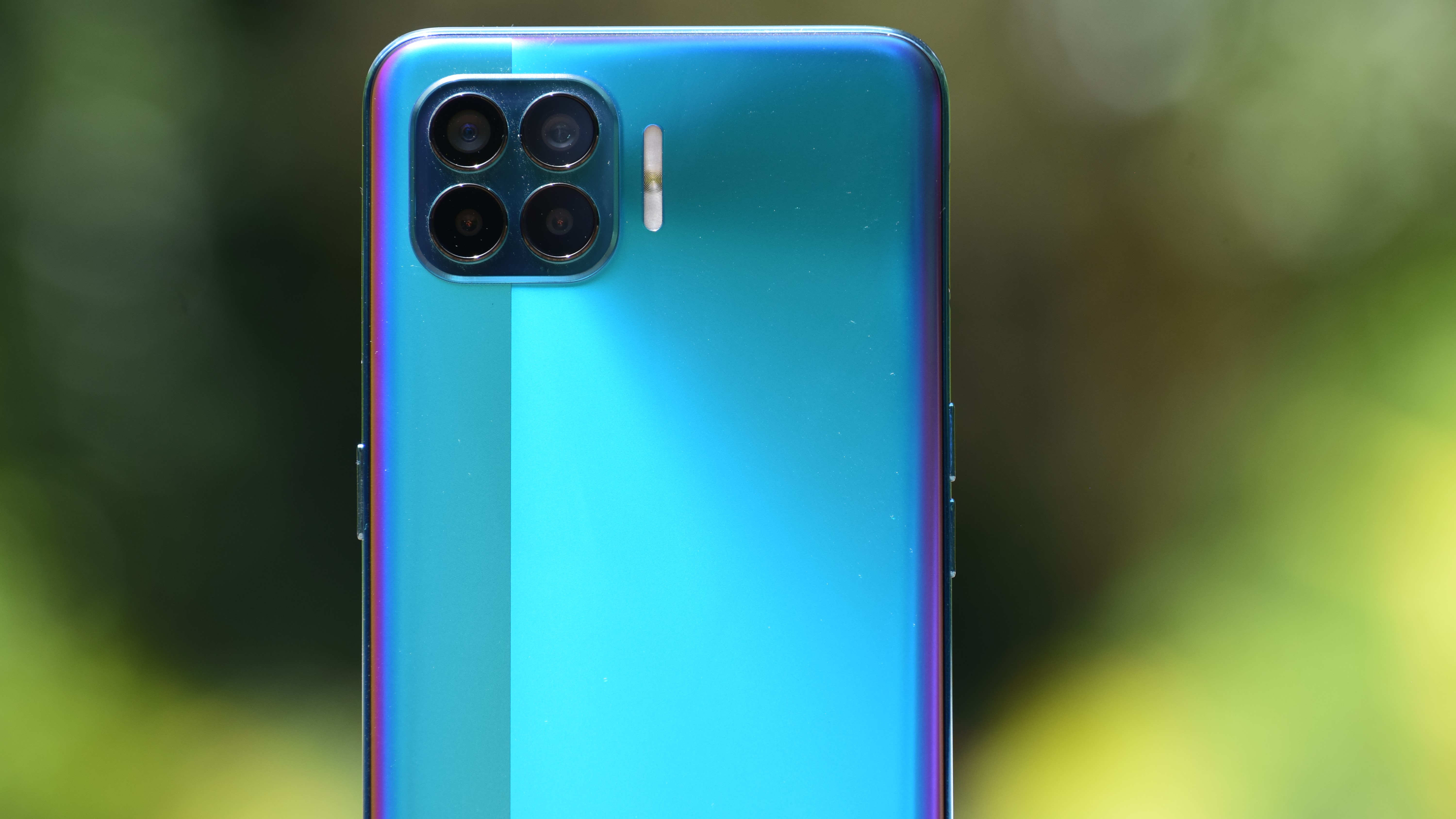
Oppo F17 Pro launch date and price in India
The Oppo F17 Pro was launched in India on September 2 along with Oppo F17 and Enco W51 true wireless earbuds. This was also the Oppo F17 series’ global debut. The Oppo F17 Pro is priced at Rs 22,990 in India. It is available in only one configuration with 8GB of RAM and 128GB of internal storage and in three colour options - Matte Black, Magic Blue, and Metallic White.
Check out the Oppo F17 Pro on Amazon | Flipkart
Design
- 7.48mm thick
- 164 grams
- Polycarbonate body
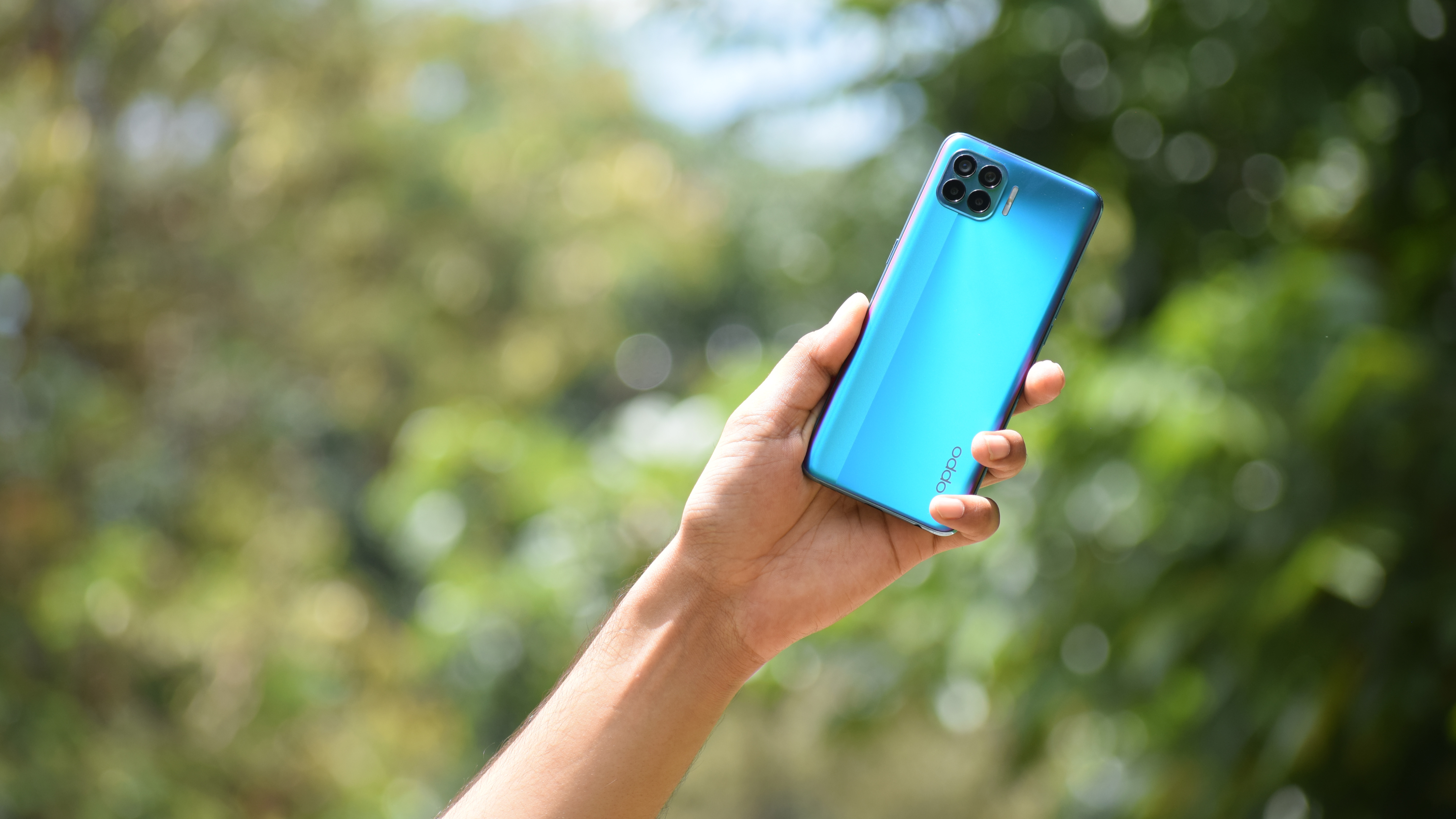
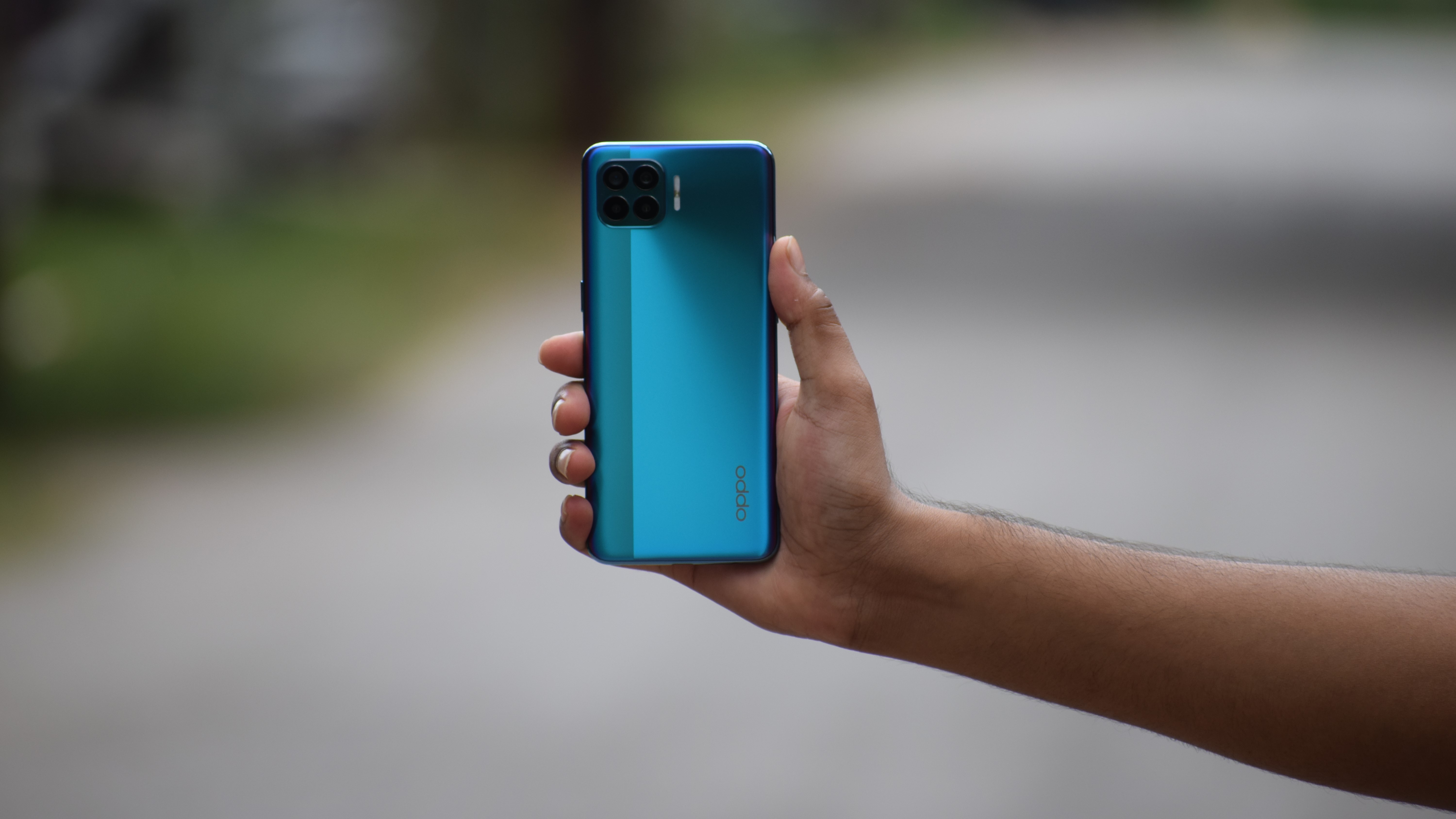
The F series has always been youth-centric which means they come in eye-popping colour options, lightweight, with some appealing designs. The Oppo F17 Pro is no different. The device just weighs just 164 grams, which is absolutely crazy in 2020. You need to feel it to believe it. With phones easily crossing the 200-gram mark, the Oppo F17 Pro is really a welcome change. Even phones such as the OnePlus Nord felt bulky and dated in comparison. The 7.48mm thickness is also legit and great to hold. You will appreciate these as soon as you pick the device up.
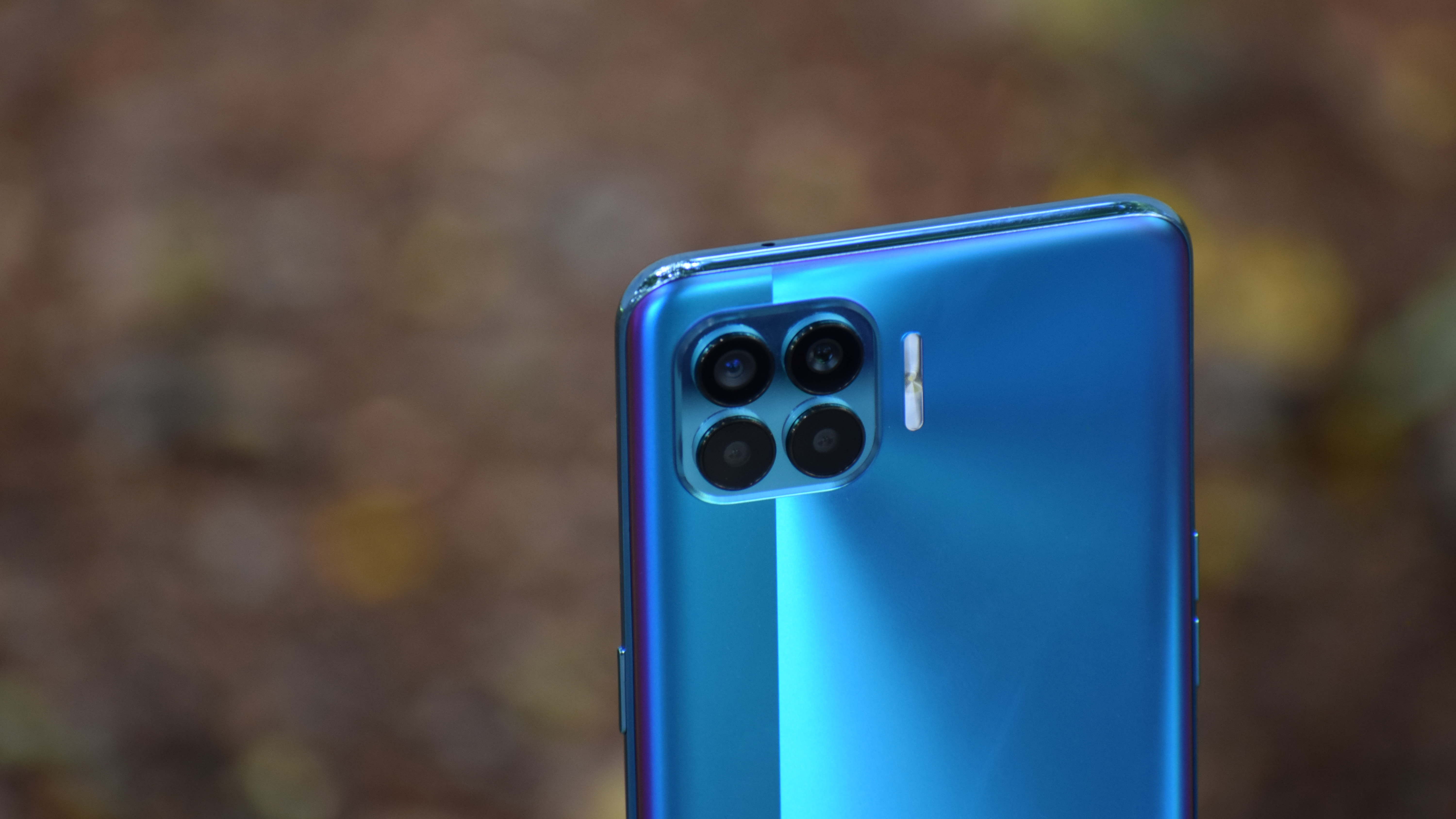
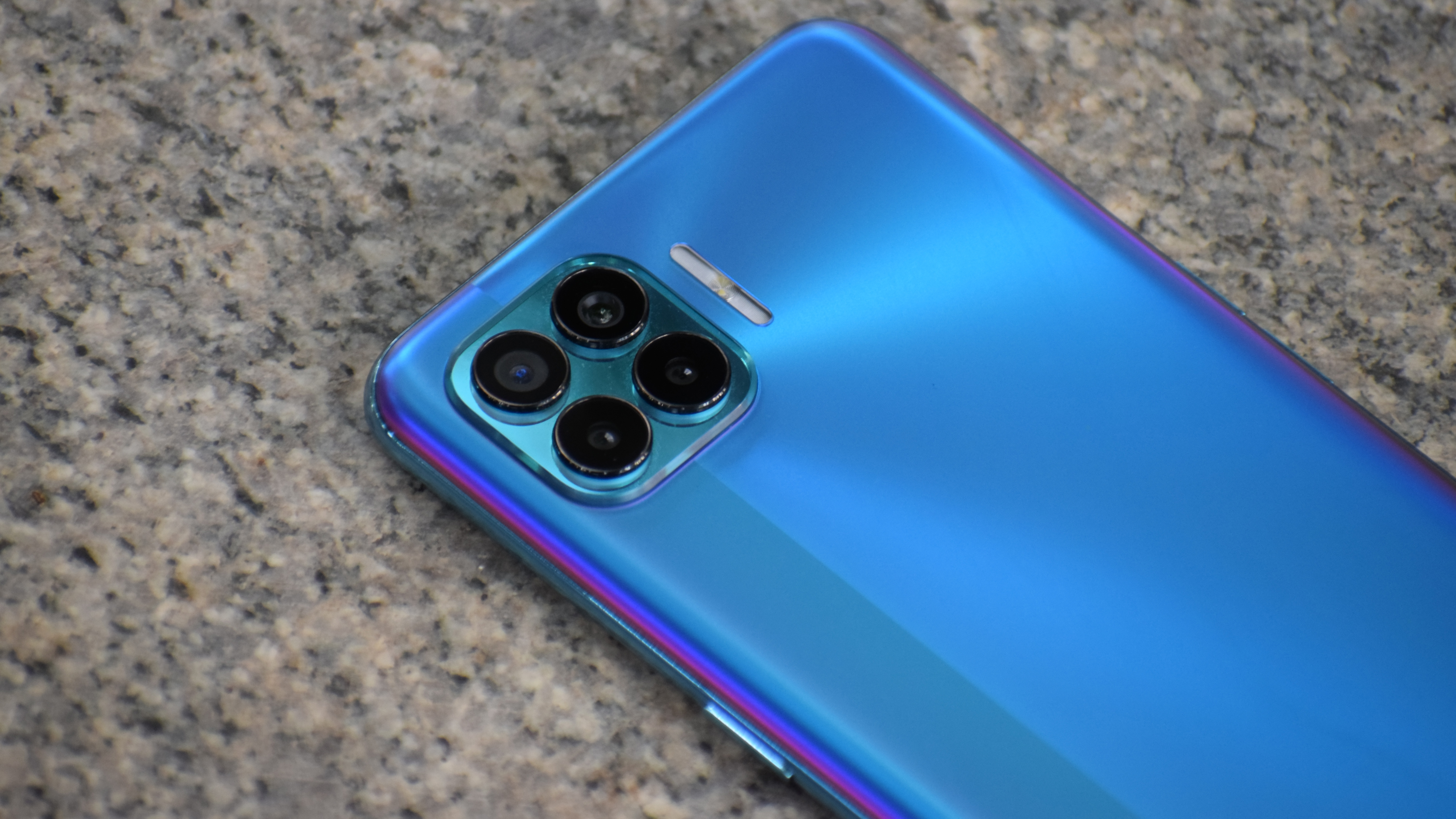
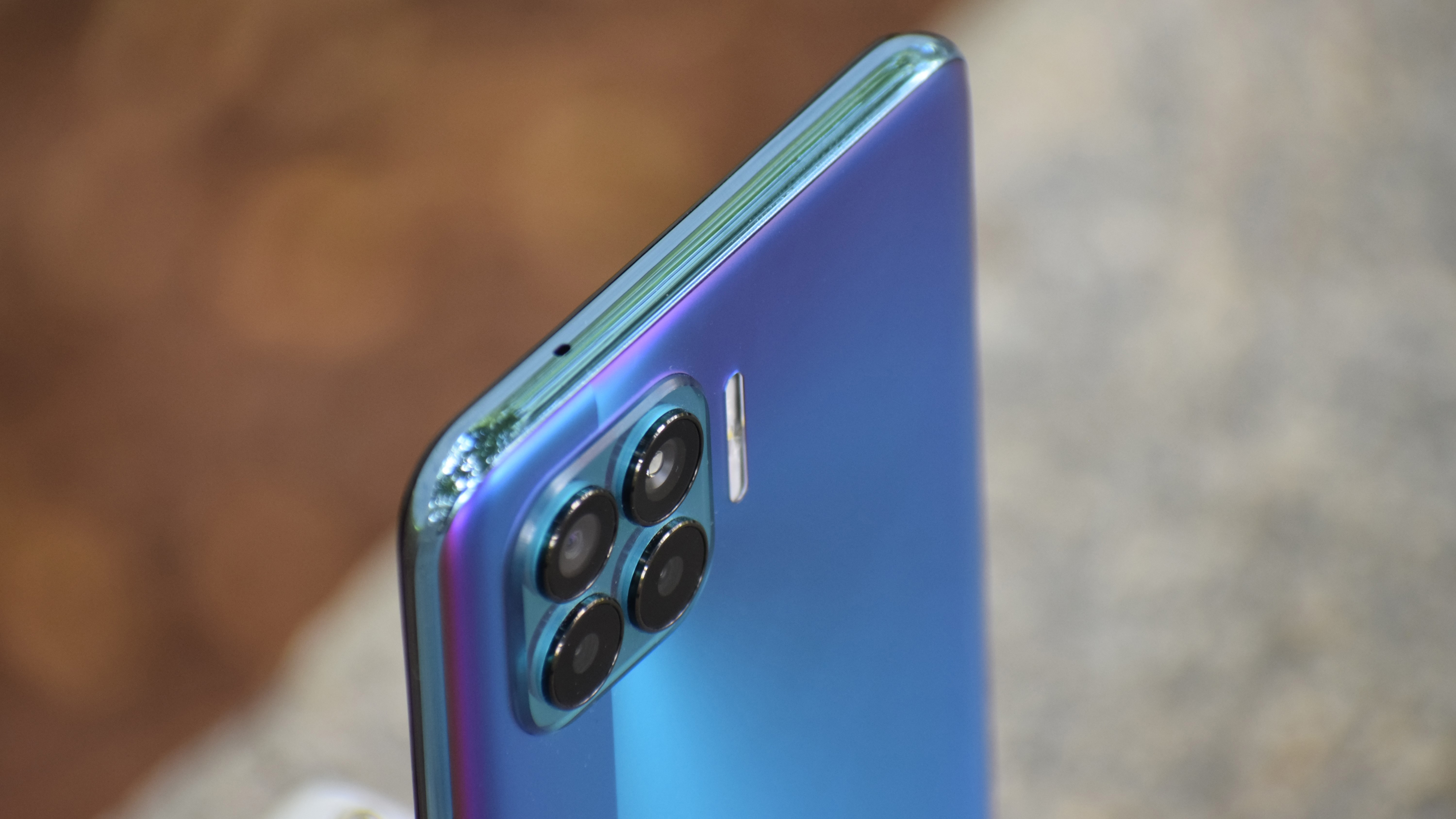
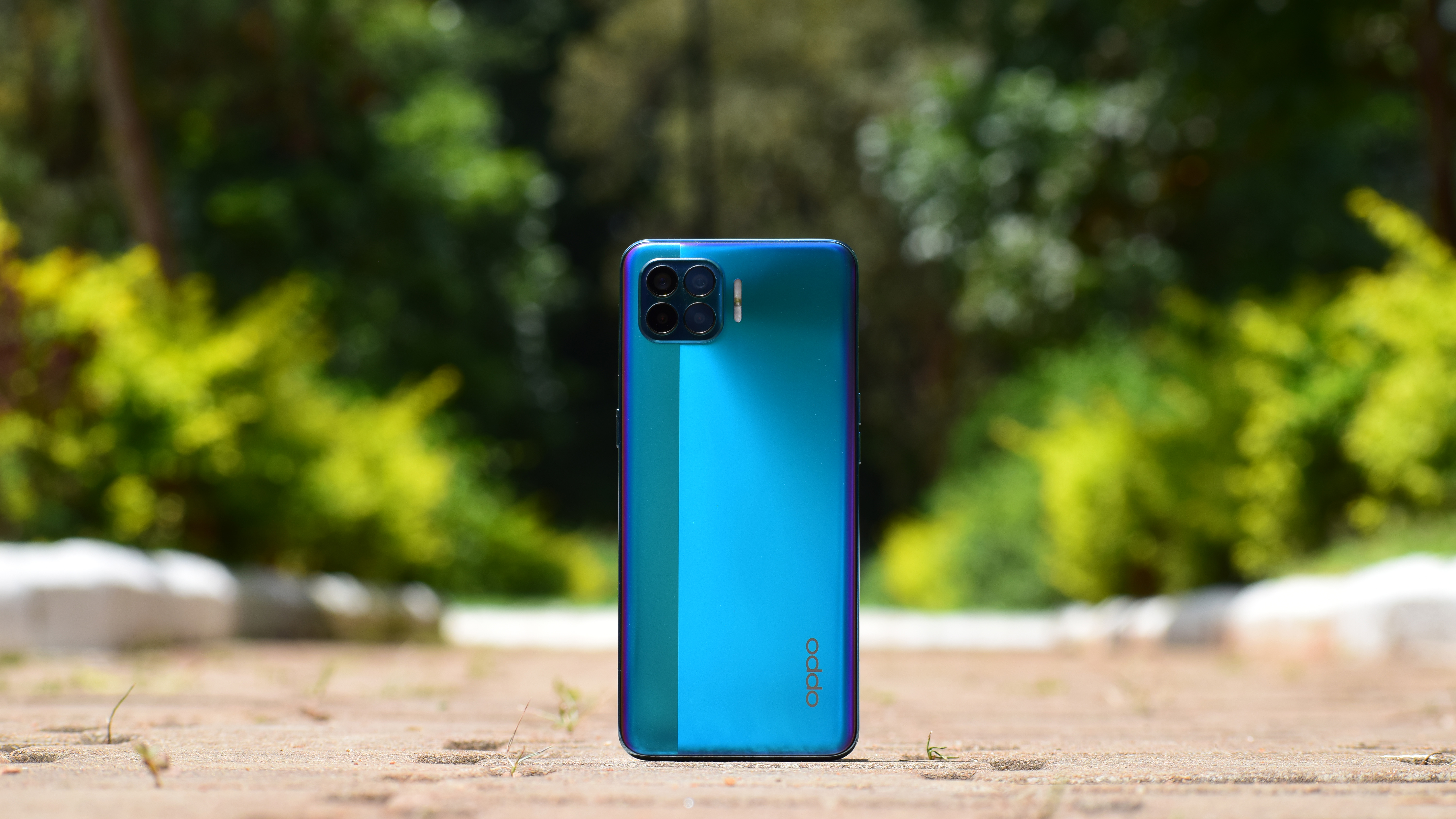
On the usability front, the device handles well in one hand, and I found it easy to get to all on-screen options. We got the Magic Blue variant for testing, which I felt looks the classiest of the three colour options. The back has a gradient finish reflecting two shades and the edges reflect a purple line while the colour at the back is blue that also appears green often, shifting colour with every angle change based on where the light falls. The 400mm coating on the back instead of the usual 200mm offers better grip and view. The polycarbonate body means that you can flaunt the device without a case with no fear of shattering the rear panel like glass-back phones.
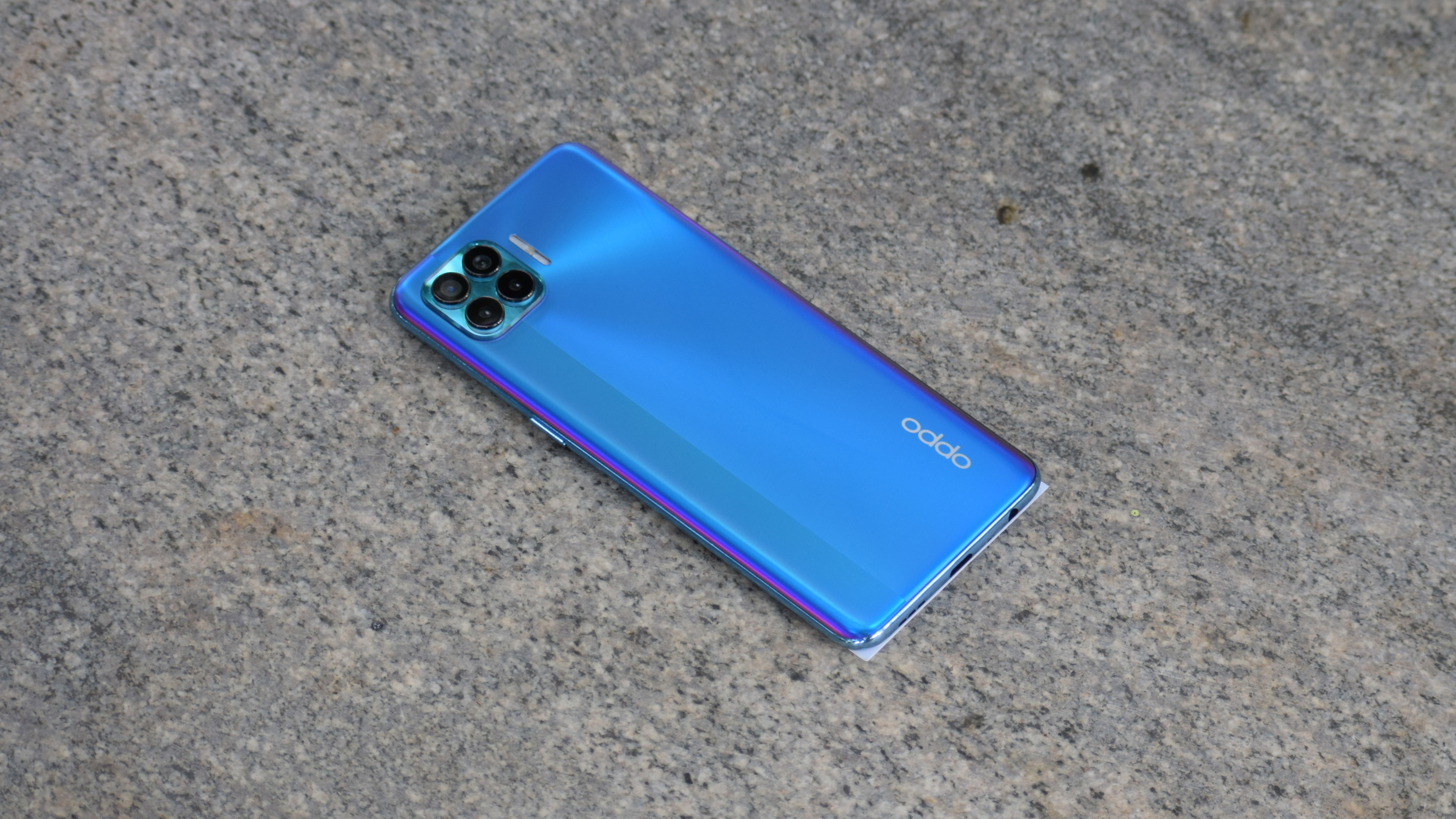
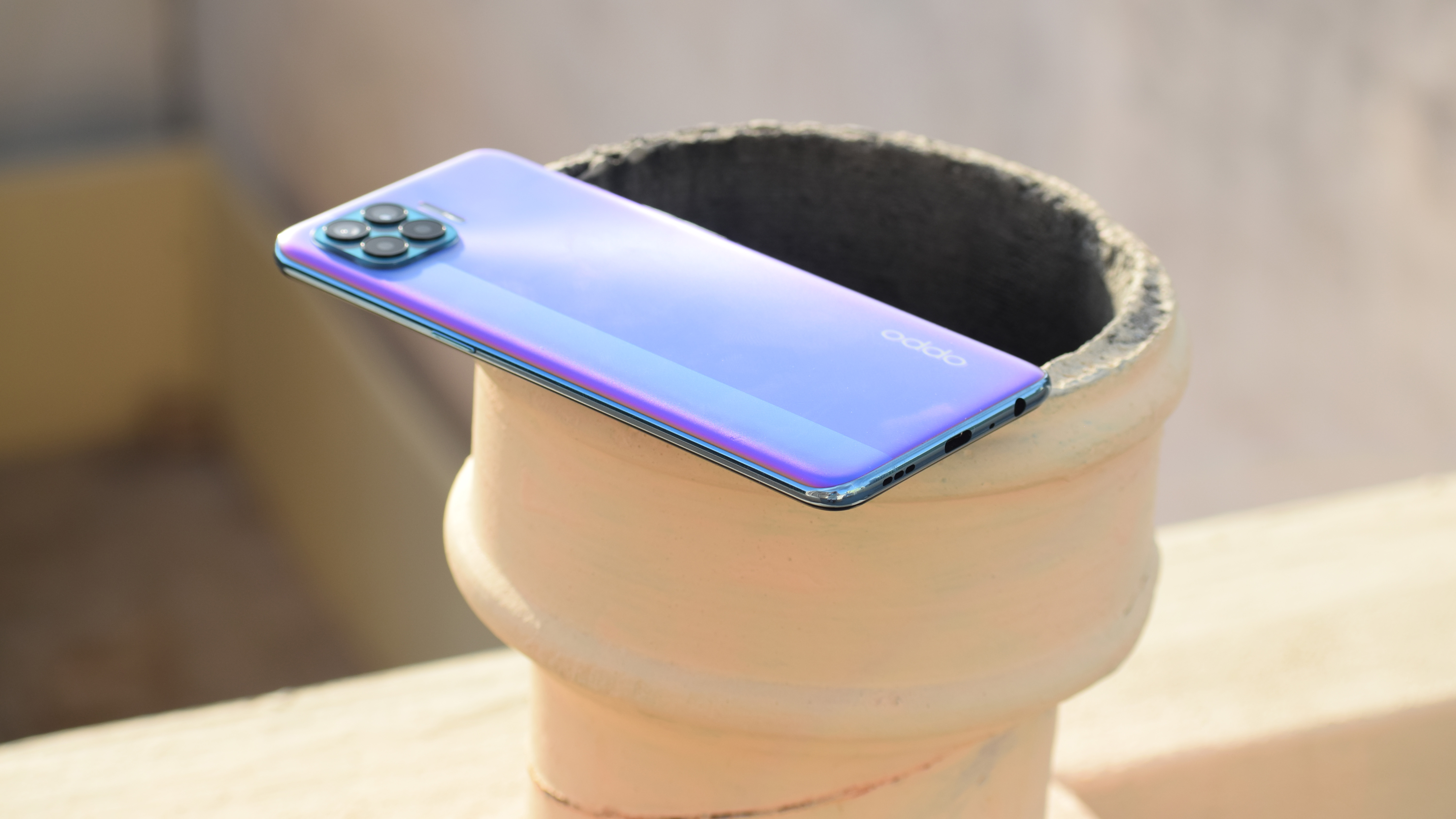
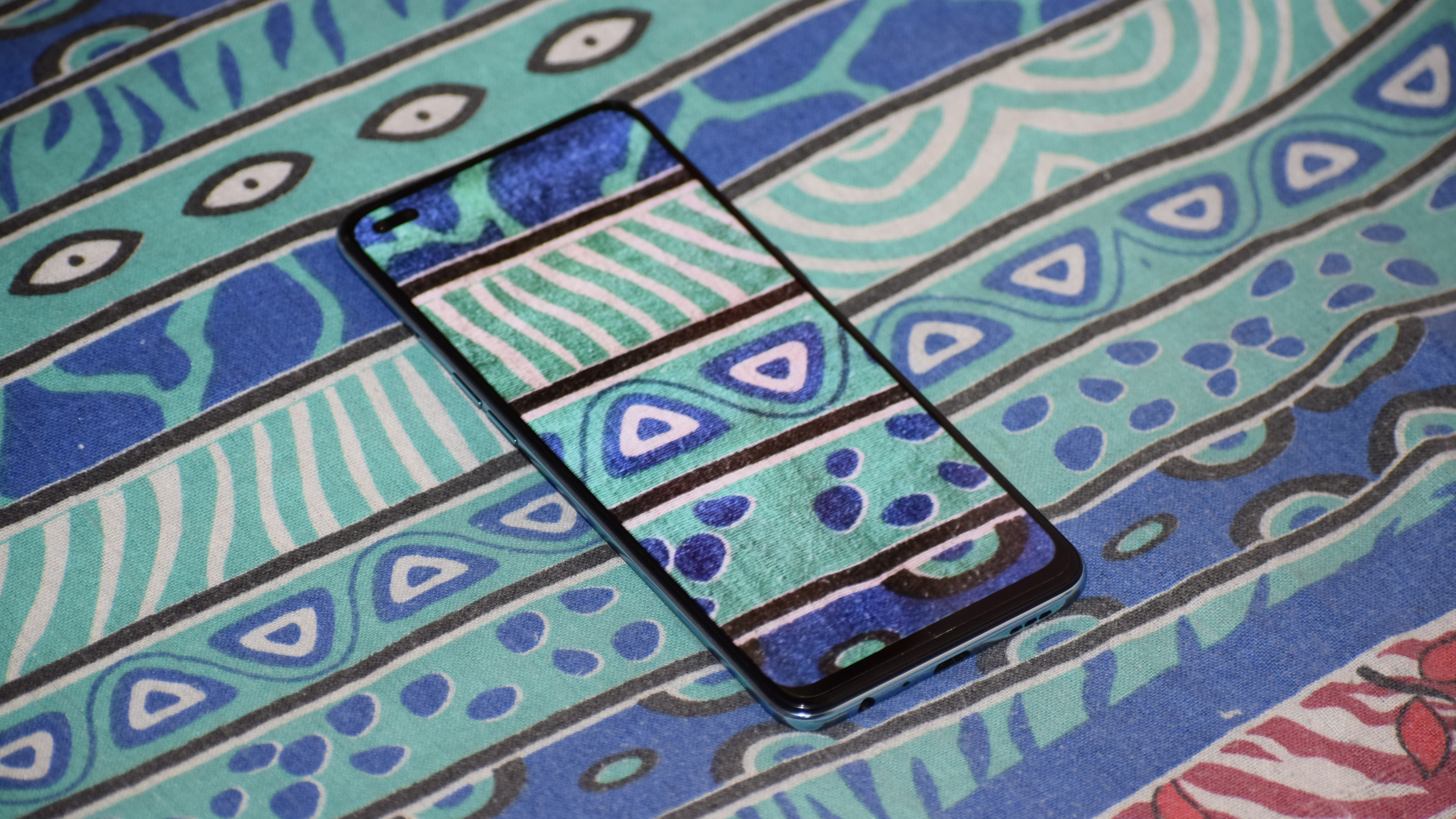
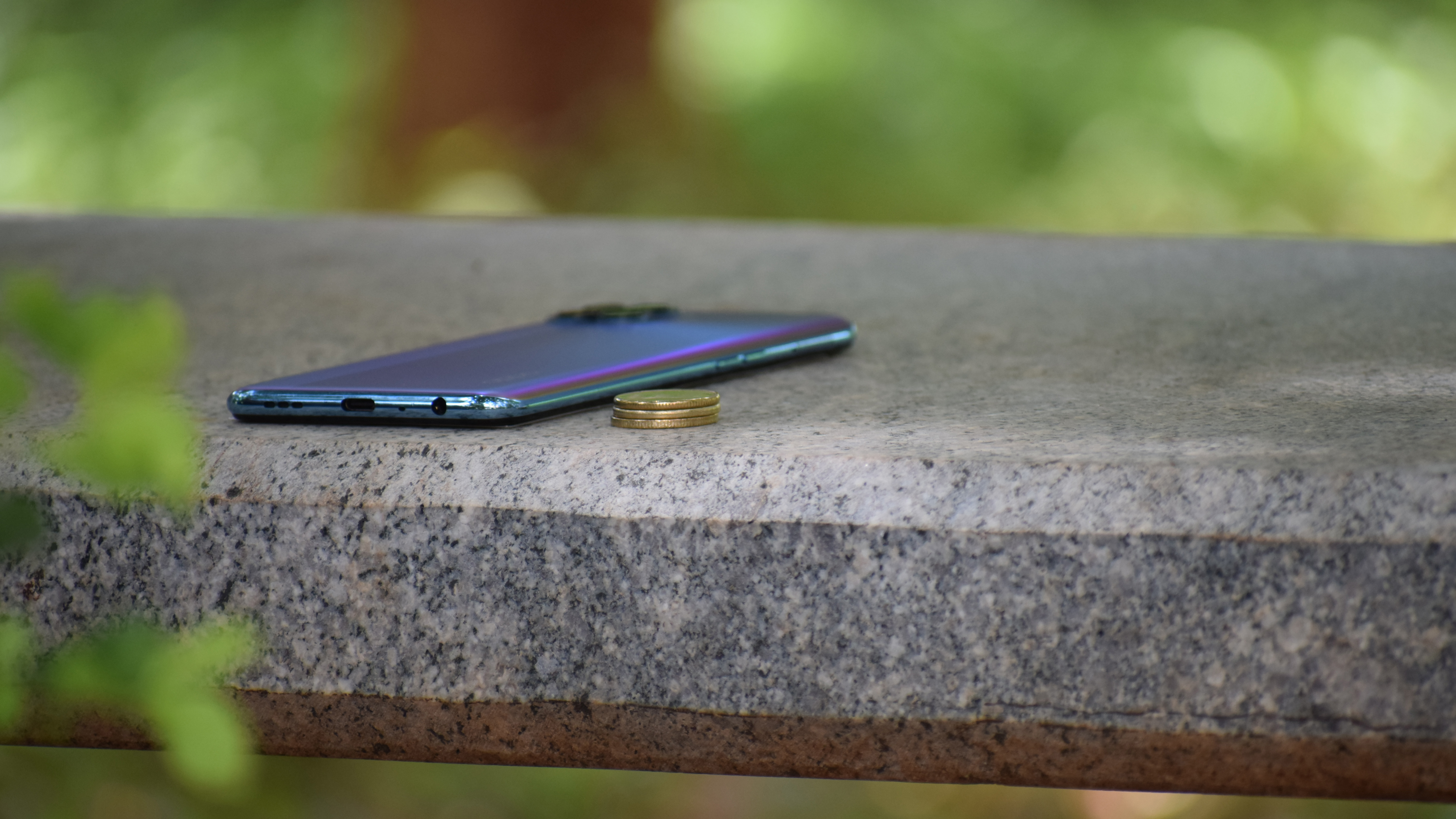
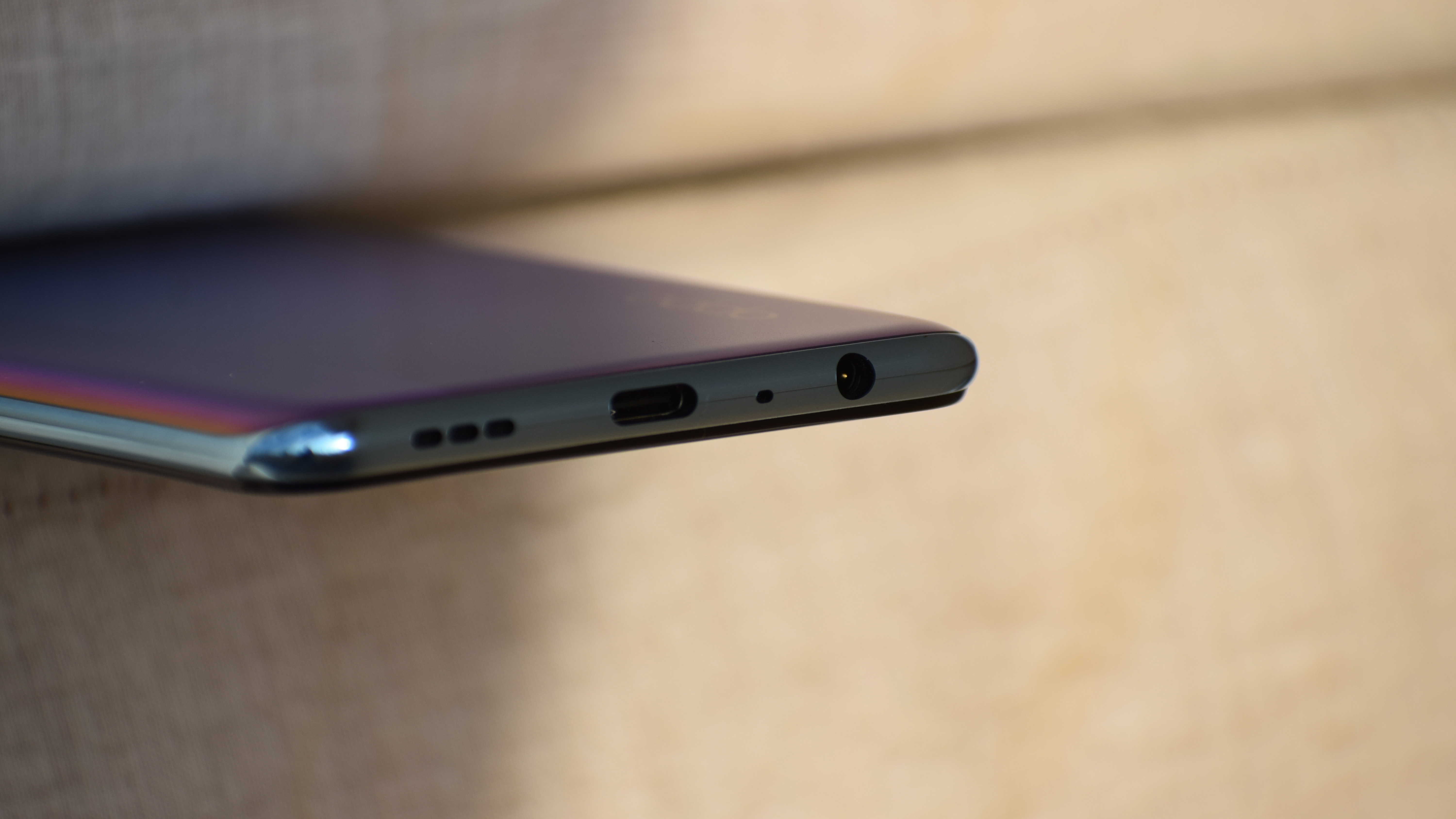
The button placements are standard, with the power switch placed at the right and the volume rockers on the left. Both are easily accessible with one hand. Towards the bottom, you get a mono speaker grill, a Type-C port, a microphone, and 3.5mm headphone jack, which is good to see in this price segment and especially in a phone so slim. To the top, there is a secondary microphone. With Oppo F17 Pro, you are looking at a dual-punch hole camera for selfies which is one of the smallest cut-outs on a phone.
Display
- 6.47-inch Super AMOLED screen
- 2,400 × 1,080 resolution
- 60Hz refresh rate
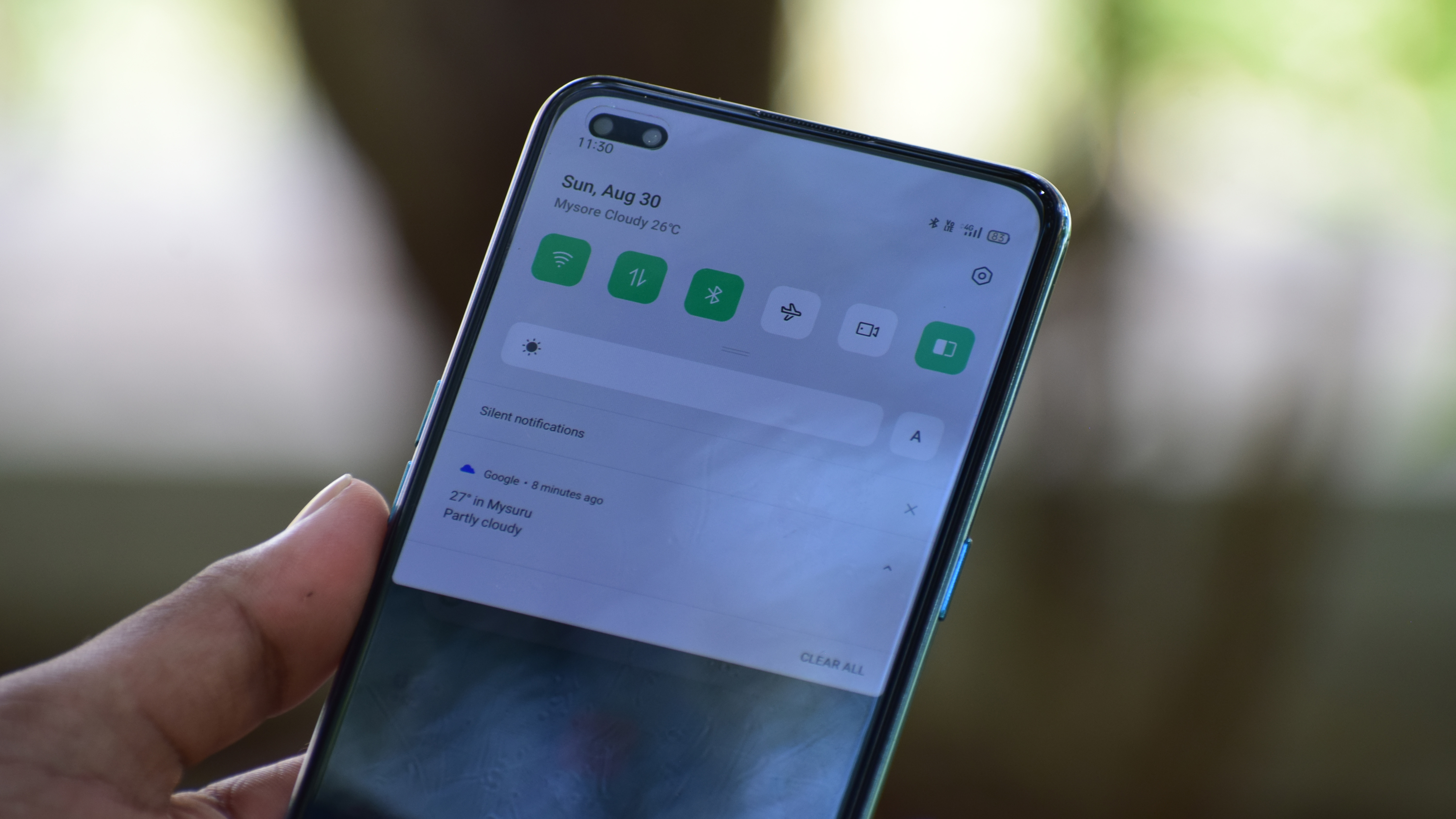
Oppo has gone with a 6.4-inch super AMOLED screen on the F17 Pro. You get Full HD+(2,400 x 1,080p) resolution. The bezels on top and sides are very slim and on the bottom, you have a decent amount of bezels which gives the device 90.07% screen to body ratio. The display is tall and pretty standard for a 2020 smartphone with 20:9 aspect ratio. And lastly, the display is also TUV Rheinland certified for low Blue light.
We live in an era where users won’t forgive you if a smartphone is priced above Rs 20,000 and not having a 90Hz refresh rate. And this is where the Oppo F17 Pro slips. You will have to settle for a standard 60Hz screen. It is also worth mentioning that the Oppo A53 which is priced under Rs 13,000 comes with a 90Hz panel.
The display is quite flat and you can feel the sharp edges often. The super AMOLED panel renders perfect colours most of the time, though they do feel oversaturated at some points, albeit in a good way. There is the 5000000:1 dynamic contrast ratio, which helps in getting those deep blacks.
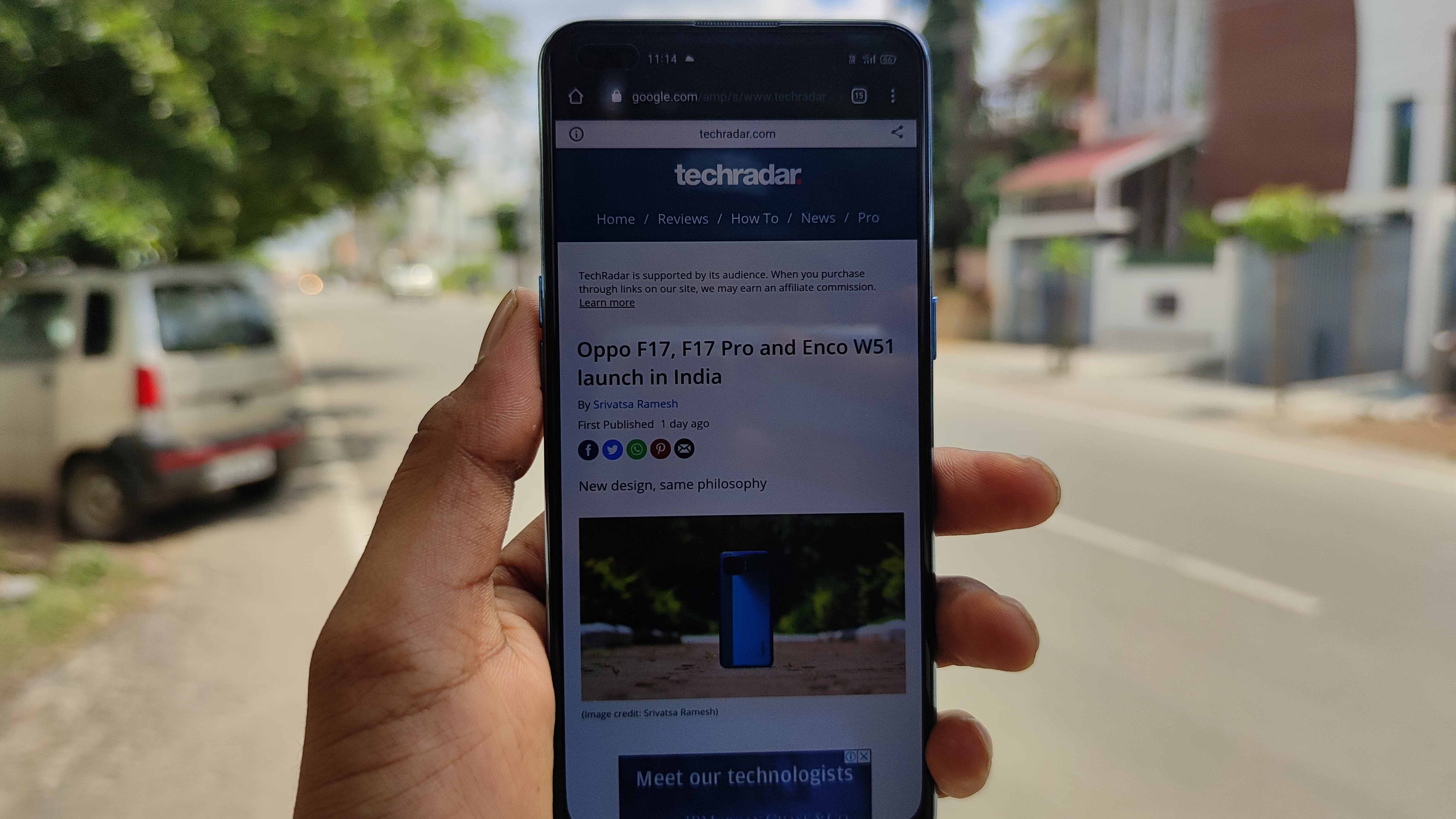
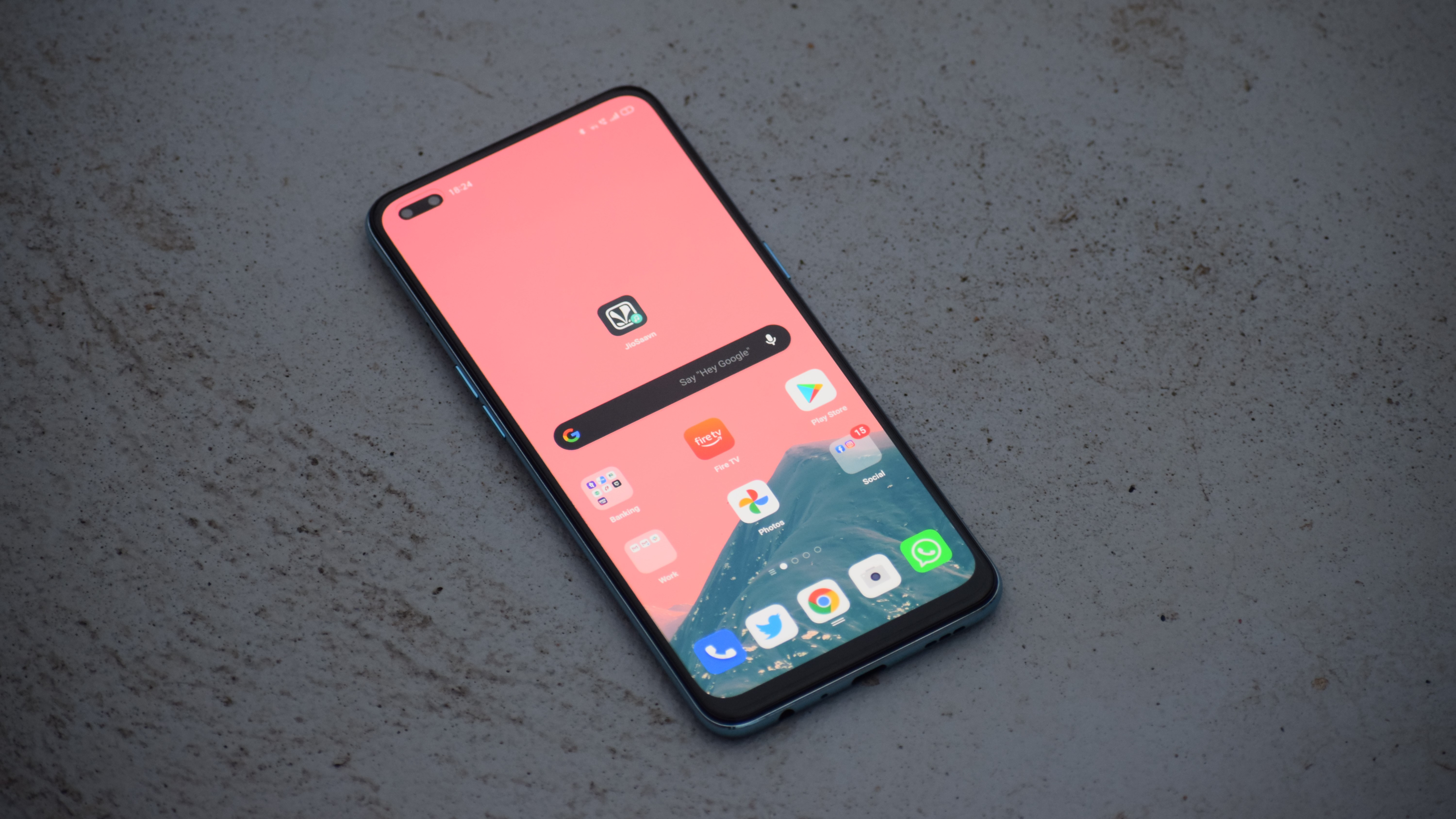
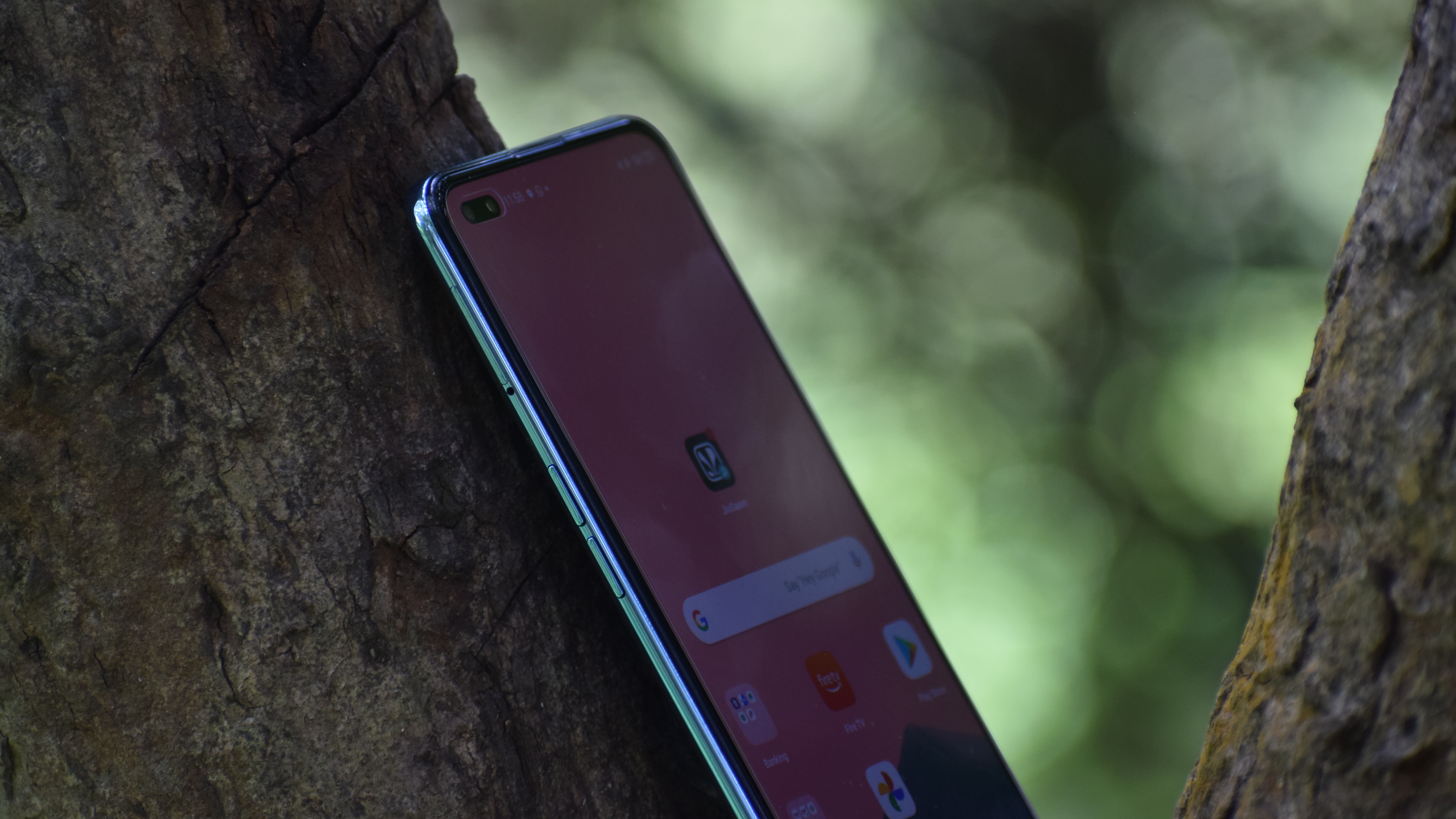
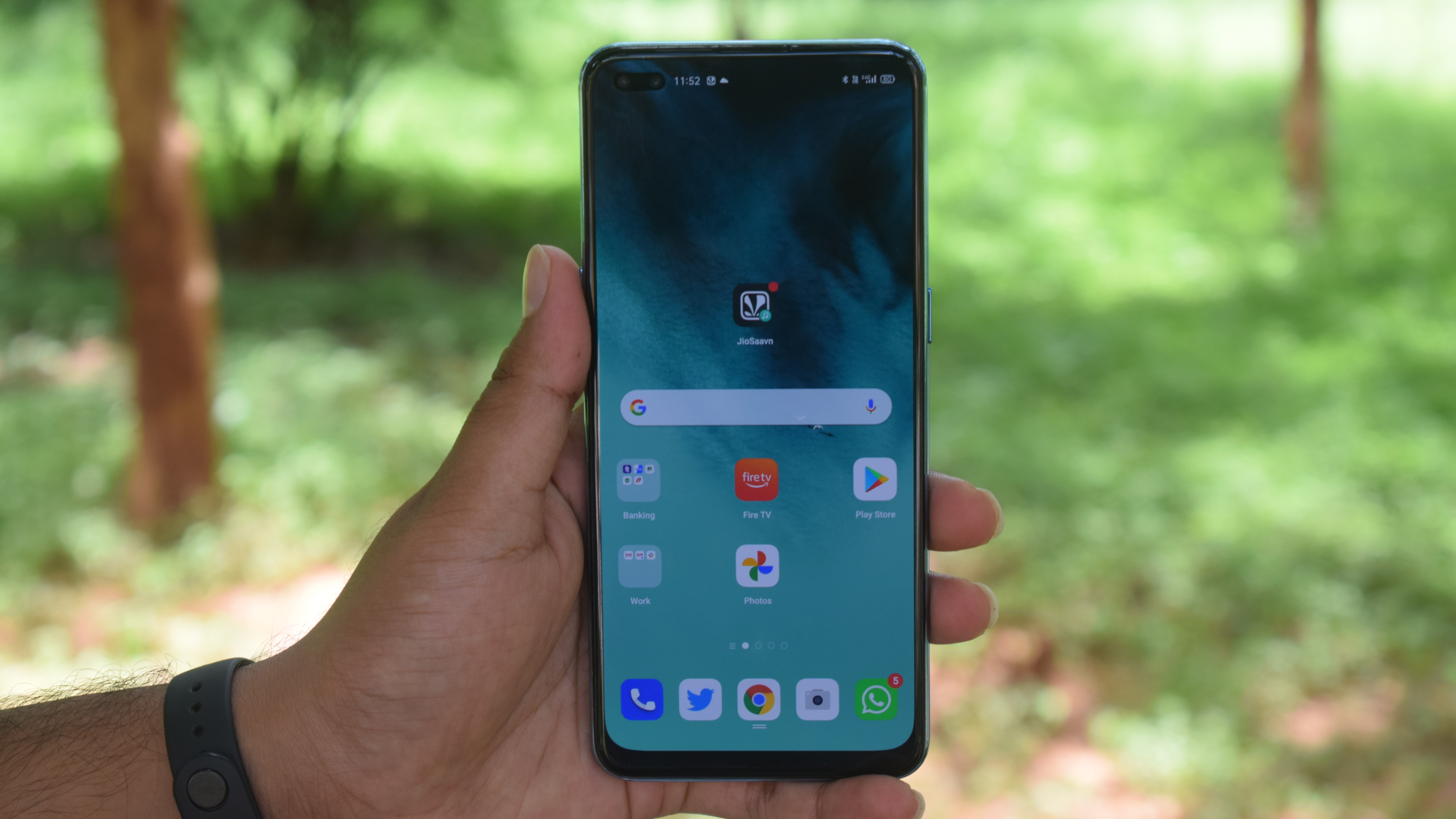
The display was quite enjoyable while viewing content from YouTube and other OTT apps. In addition, you also get support for HDR content and there is also Widevine L1 support for HD playback on Netflix and others. The peak brightness can go up to 800 nits, making it quite readable outdoors with sun out. The lowest brightness is also quite low and you can take advantage of eye comfort mode which allows you to play with colour temperature. And, finally, Oppo has also added Always on Display feature which is absent of OnePlus devices with AMOLED screens.
Overall, the Oppo F17 has one of the best super AMOLED screens in the segment. Watching content is pure joy and the viewing angles are also pretty great with the device. There’s also an in-display fingerprint scanner which works very well. You get both speed and accuracy with it. For even faster unlock, there is a 2D face unlock which is quite reliable as well.
Performance and gaming
- MediaTek Helio P95
- 8+128GB storage
- MediaTek HyperEngine
The Oppo F17 Pro opts for an octa-core MediaTek P95 chipset which powered the Oppo Reno 3 Pro. It has the four Arm Cortex-A75 clocked at 2.2GHz and four Arm Cortex-A55 at 2GHz. Graphics are taken care of by the IMG PowerVR GM 9446 GPU. This is paired with 8GB of LPDDR4X RAM and 128GB UFS 2.1 internal storage with a microSD card slot for storage expansion.
The chipset, as well as the phone, comes with a ton of AI features and camera modes. The chipset performs quite well with day to day tasks such as surfing through social media, playing videos, and texting. We had no issues with the device for light to medium usage. When it comes to handling heavy tasks like capturing an image (night mode), it takes a few seconds more. It was same while opening heavy apps and games, finishing photo processing etc.
MediaTek banks on a lot of AI-centric features and optimizations, which are actually the strong points of the chipset. The device is quite responsive with some assistance from the anti-lagging technology. The chipset optimization also allows the device to last longer with average battery capacity. More on that later.
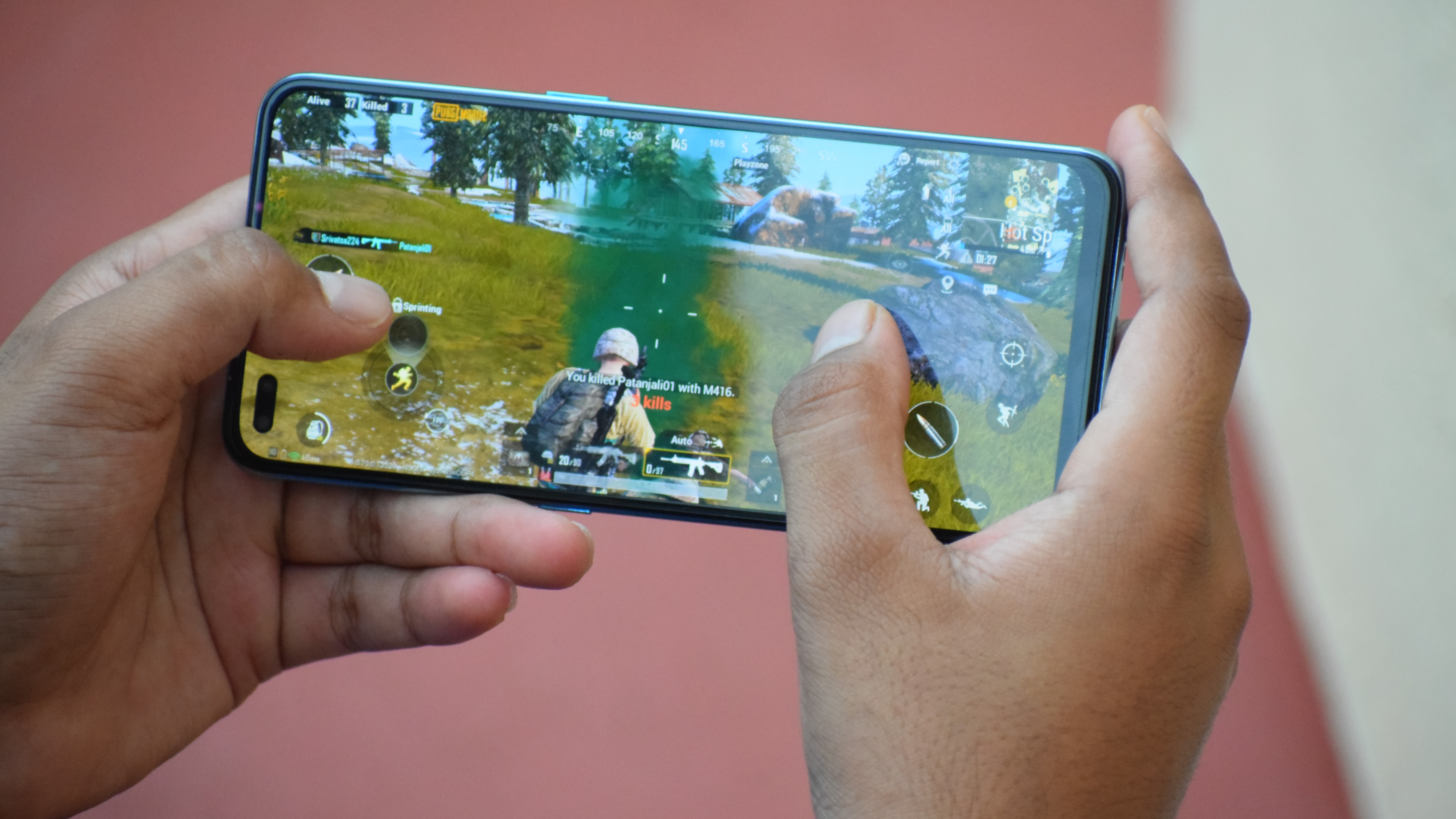
When it comes to gaming performance, the F17 Pro falls short. I did not enjoy the gaming experience, especially on a phone that's priced upwards of Rs 20,000. While playing PUBG, we got around 30fps frame rate and we could play the game in High + HD combo. Gameplay was lagged and I wasn't quite happy with the performance.
The graphics took a few seconds more to load and it lagged on a few occasions. We also tried games like Asphalt 9 and the results were the same. HyperEngine gaming optimization is said to improve gaming but, we were definitely not satisfied with it The bottom line is that, stay away from this phone if gaming is your priority.
Camera
- 6 AI portrait cameras
- 48MP quad-rear camera
- Dual selfie cameras
Apart from the sleek design, Oppo’s promotions and teasers focused on the cameras. There are six cameras in total. Oppo calls them six AI portrait cameras. There is a quad-camera stack at the rear with a primary 48MP ½-inch sensor with f/1.8 aperture, and 8MP ultra-wide shooter followed by two 2MP mono sensors with f/2.4 aperture. You get a bunch of shooting modes such as AI PortraitColor, AI Super Night Portrait, AI Night Flare Portrait, Dual Lens Bokeh, AI Super Clear Portrait, and AI Beautification 2.0.
The camera app is very similar to the Realme camera app for anyone who's familiar. You get Photo, Video, Night, Portrait, and More at the bottom, and the top bar will be changing based on the option you pick at the bottom. By default, the camera takes 12MP photos and you get the option to select HDR, filters, 48MP AI mode, and AI Beautification. For videos, you can capture up to 4K @ 30fps and slow-mo at HD and FHD resolution. You get ultra steady mode and several additional effects with the camera app. It is also possible to capture ultra-wide video on the device.
The primary camera performs pretty well in the daylight and we were able to capture some good pictures with the sensor. The post-processing made images look punchier and the dynamic range was also good. They brought more than a decent amount of detail and colours were retained. Of course, you could switch to the 48MP mode in case you want more details in your pictures.
The ultra-wide shots often missed the dynamic range and the image came out with fewer details but then you got a wider view. In low-light, the wide-angle lens doesn't really cut it and more often than not, the images are barely usable.
Camera samples
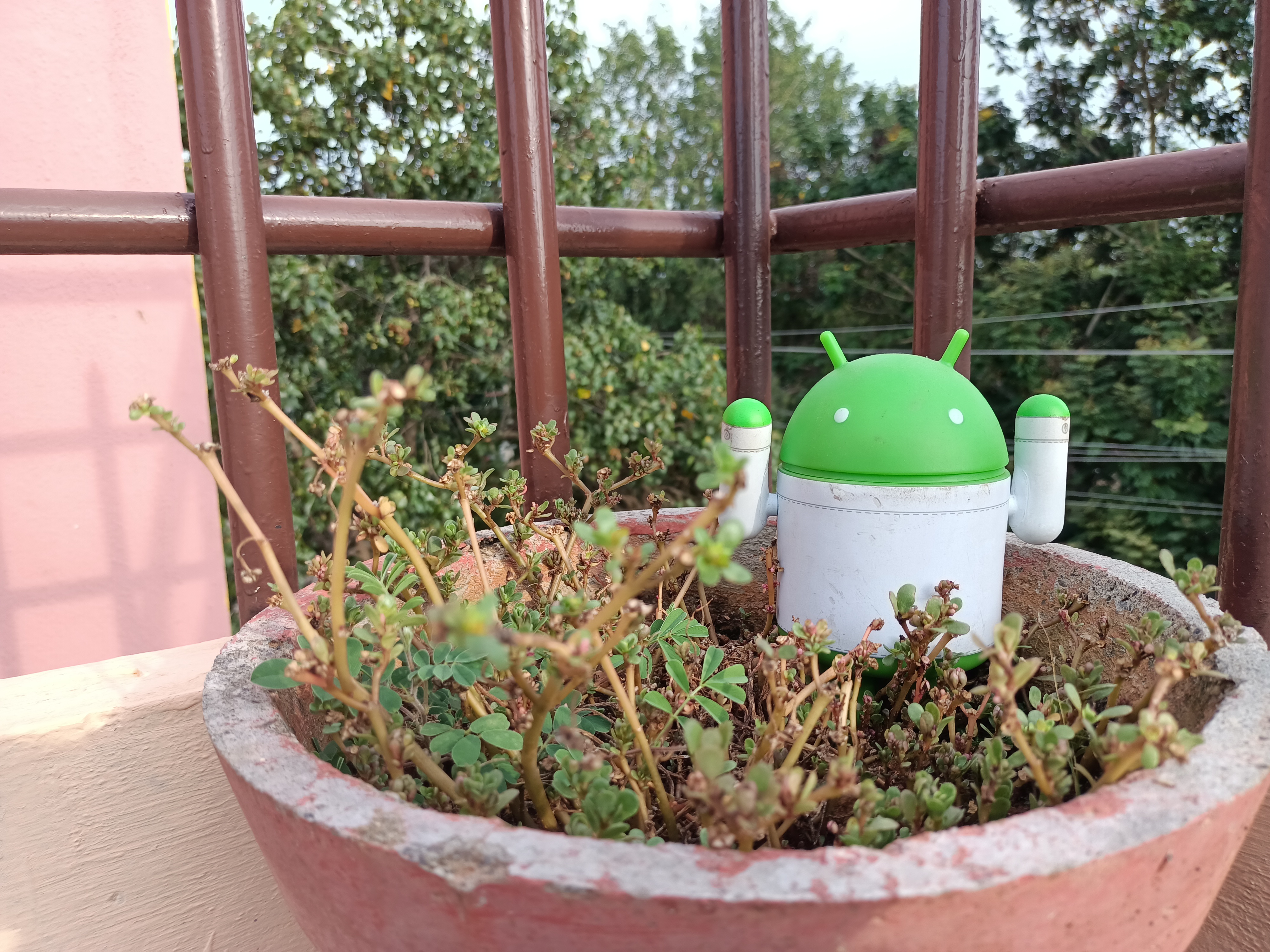
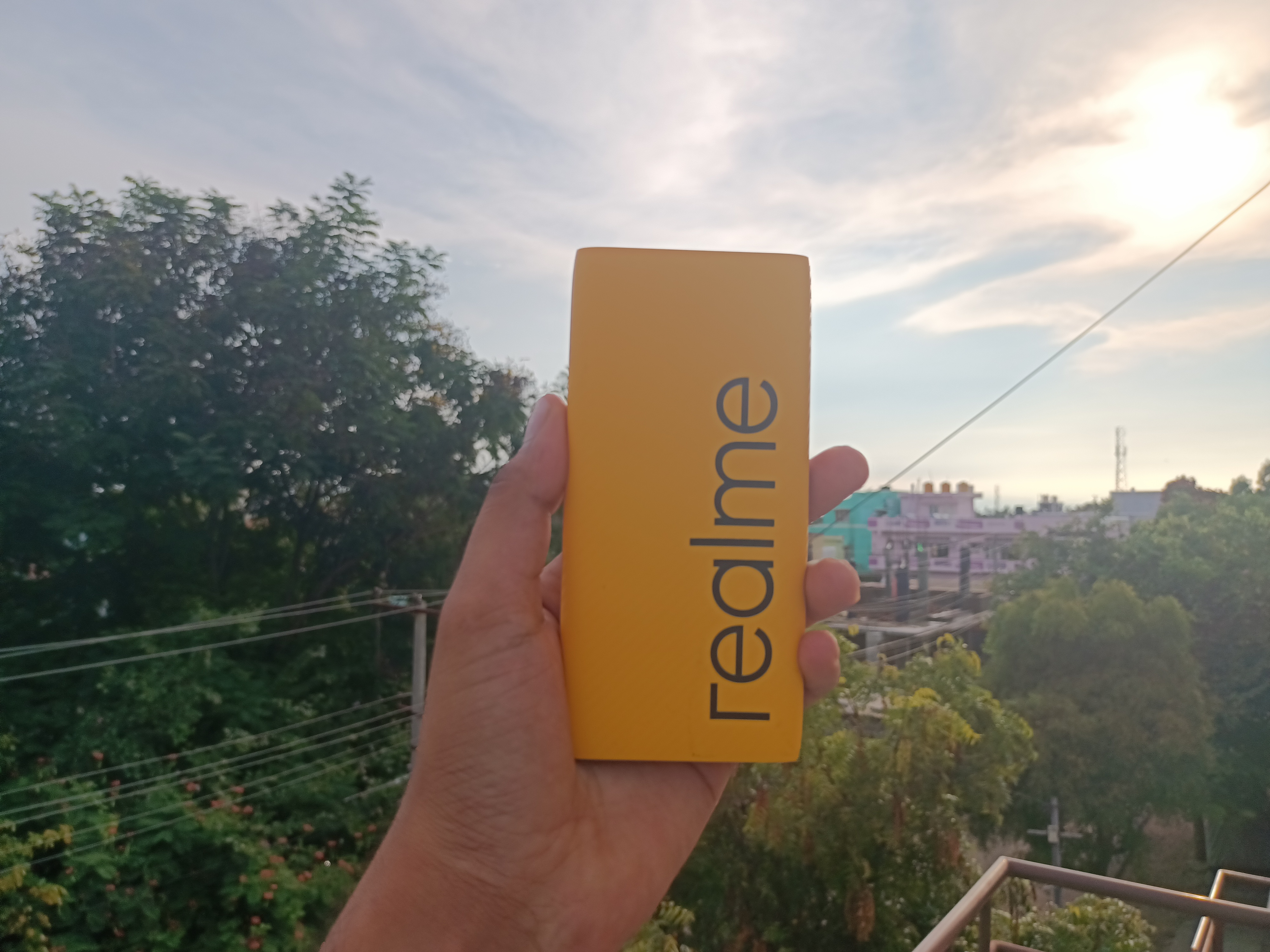
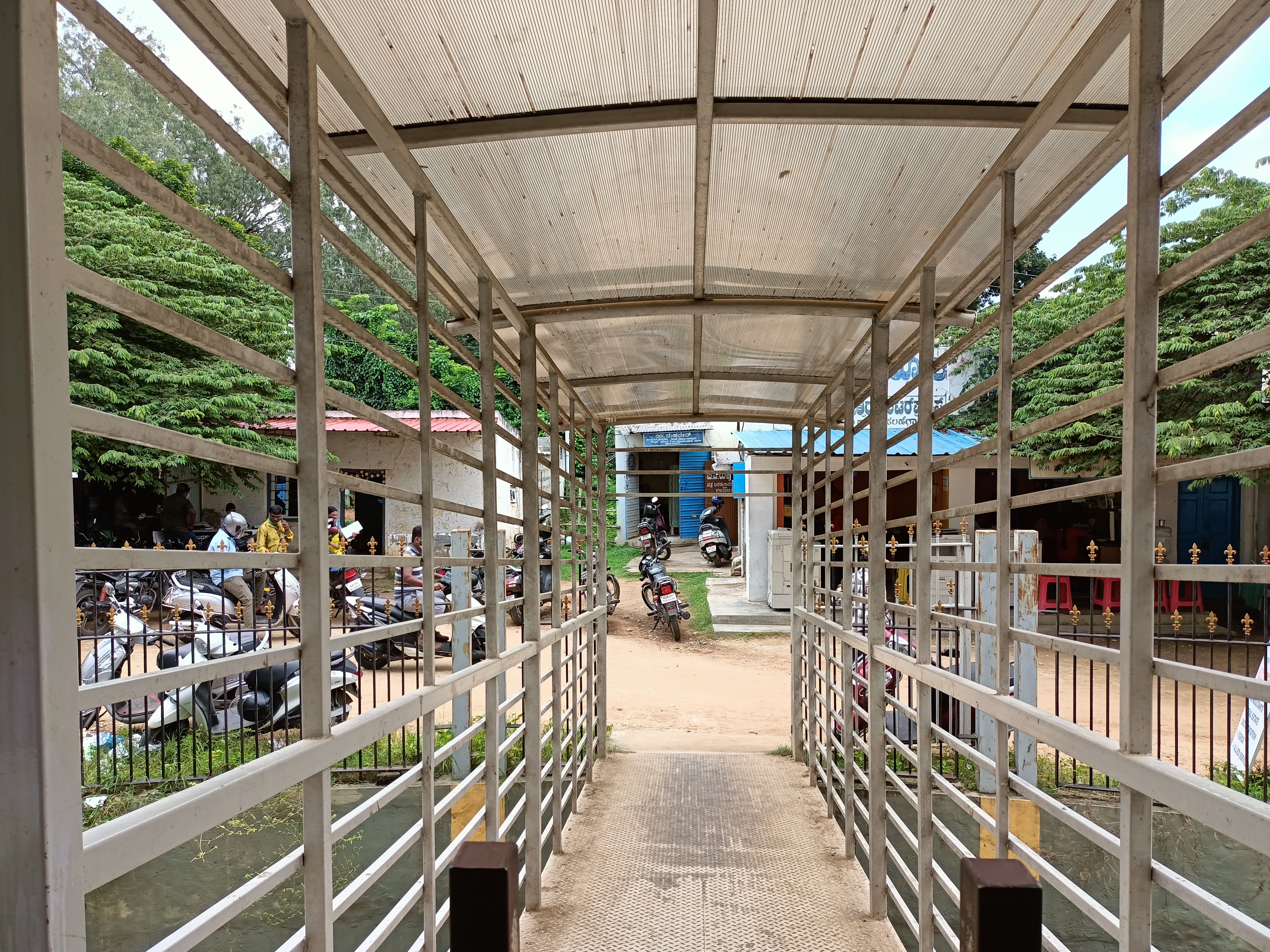

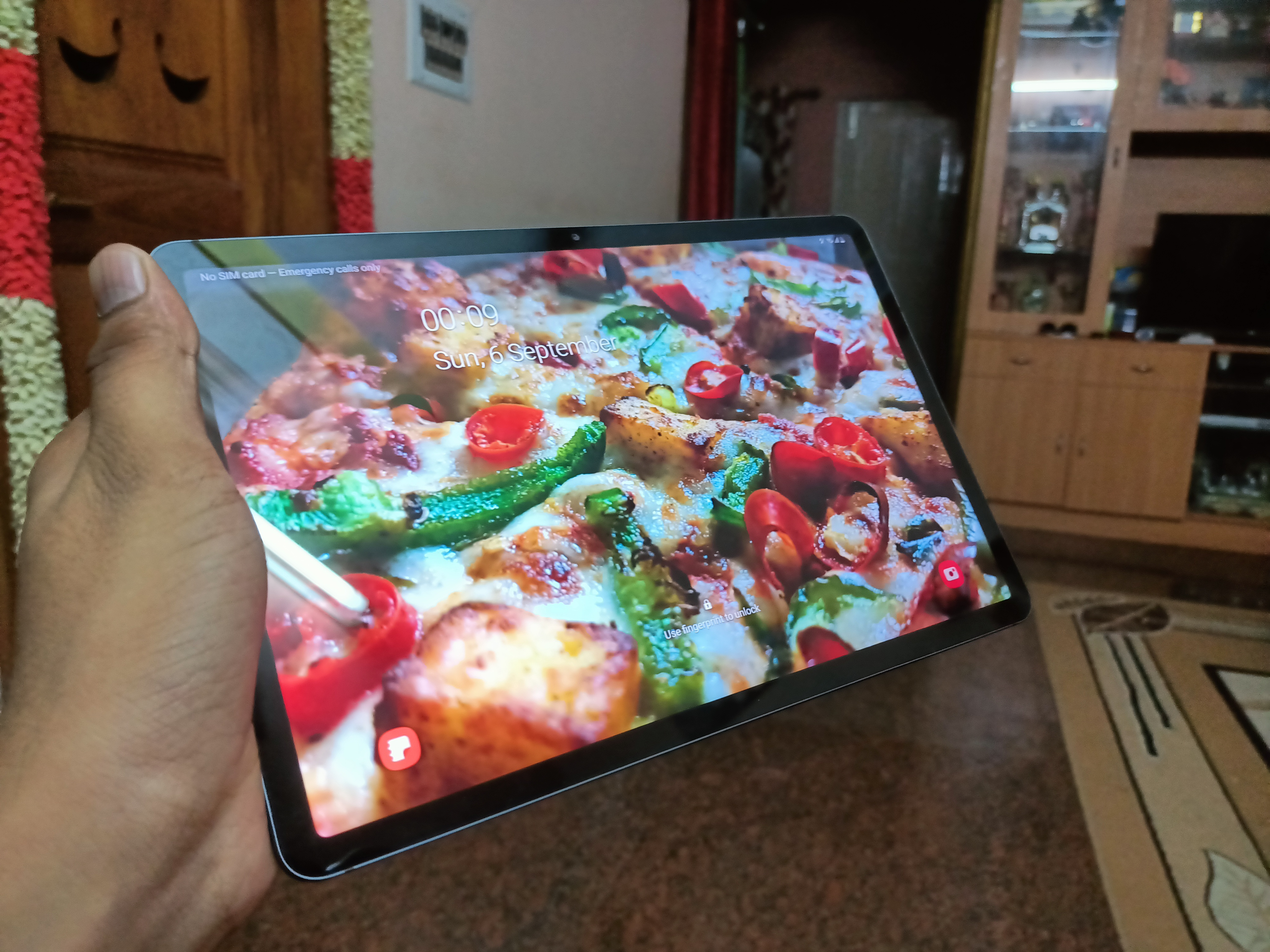

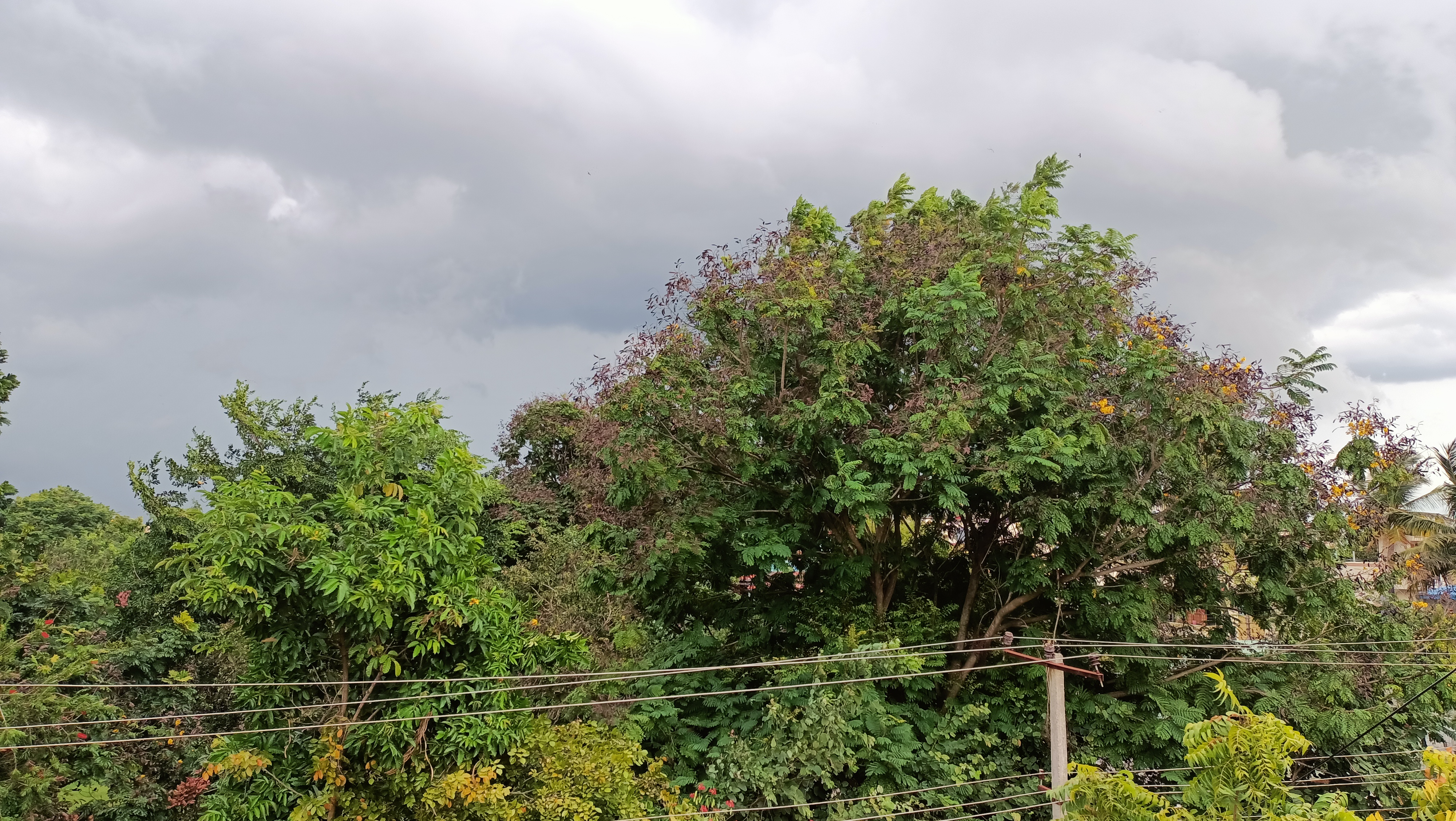
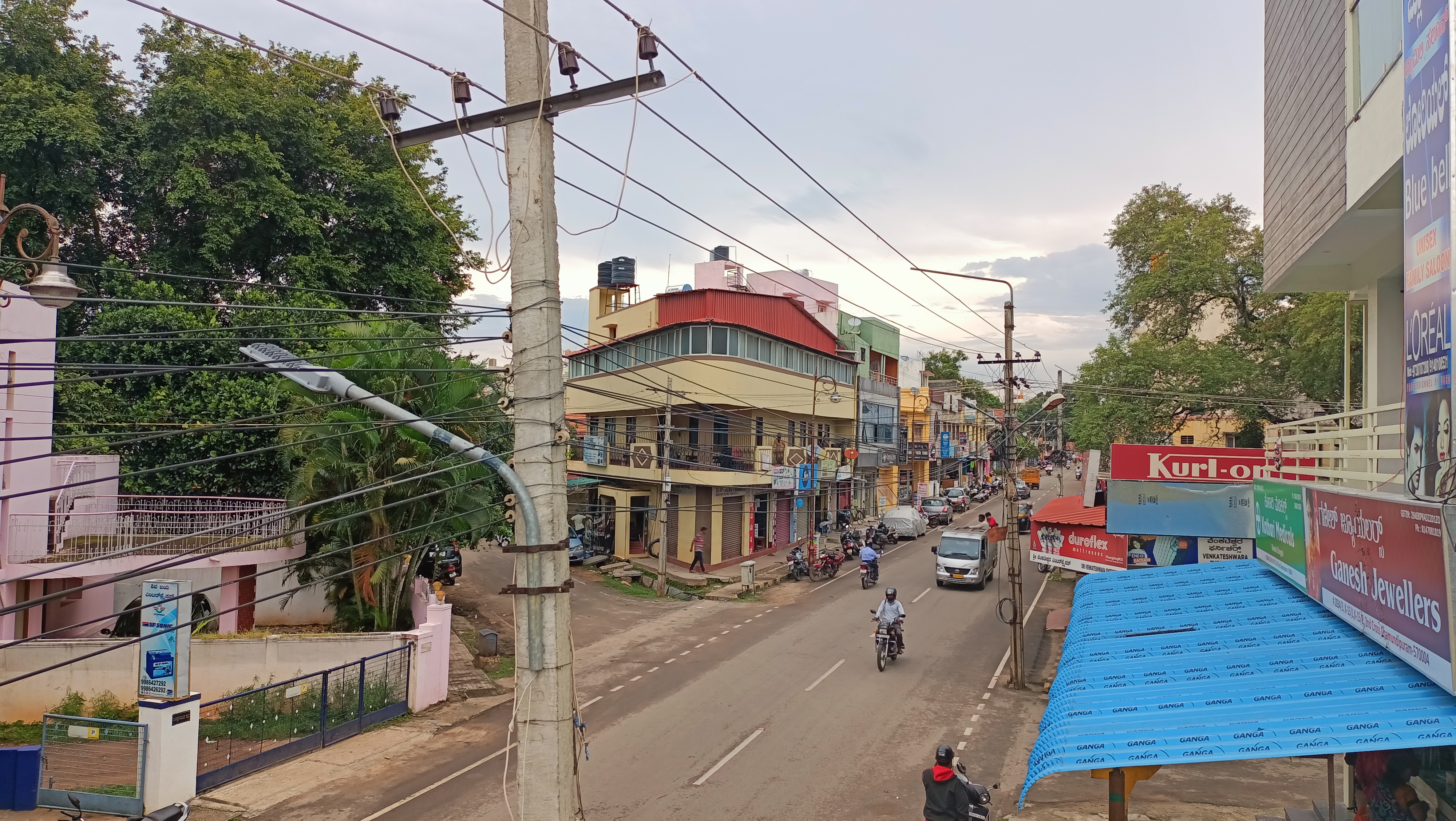
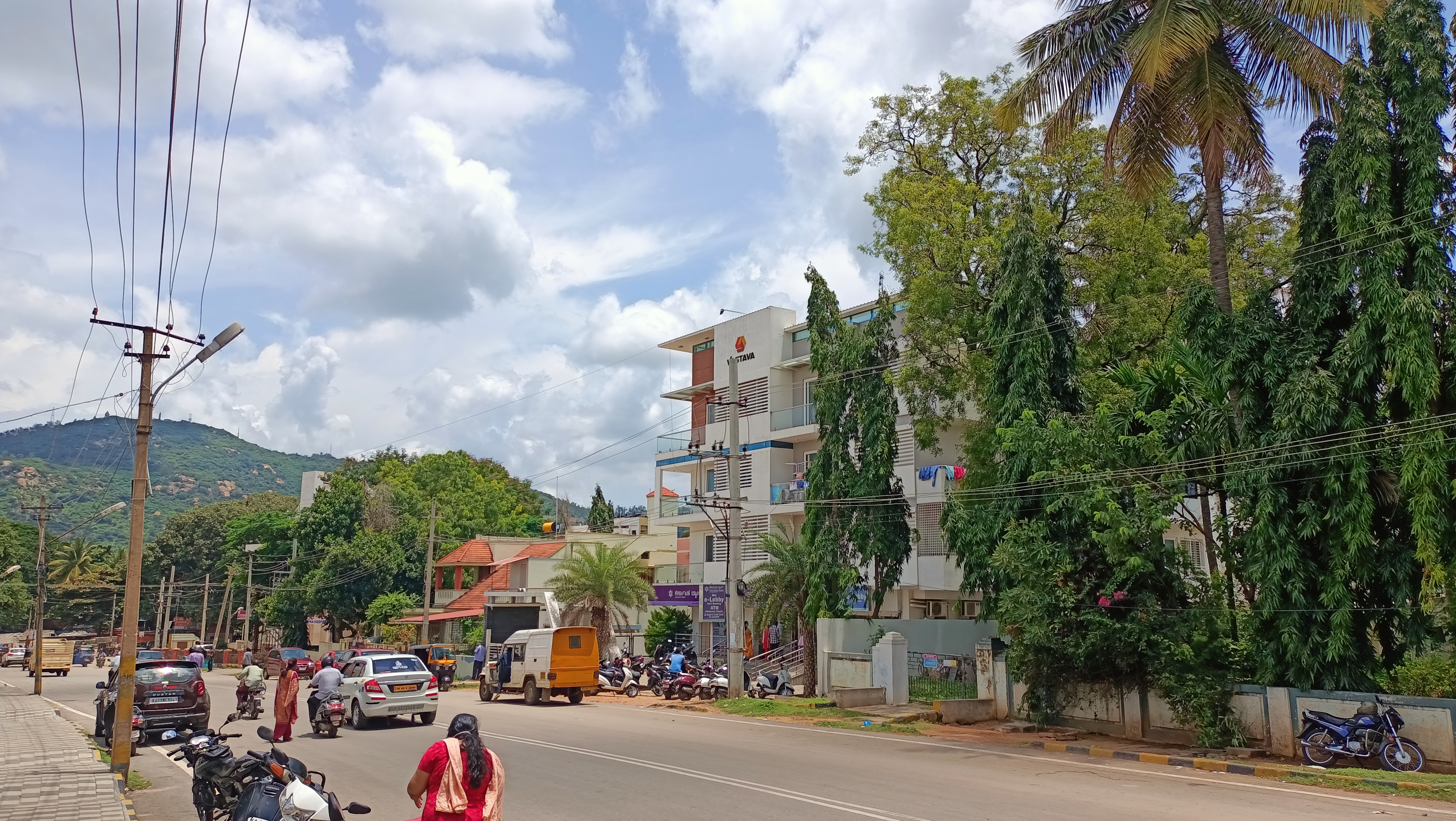






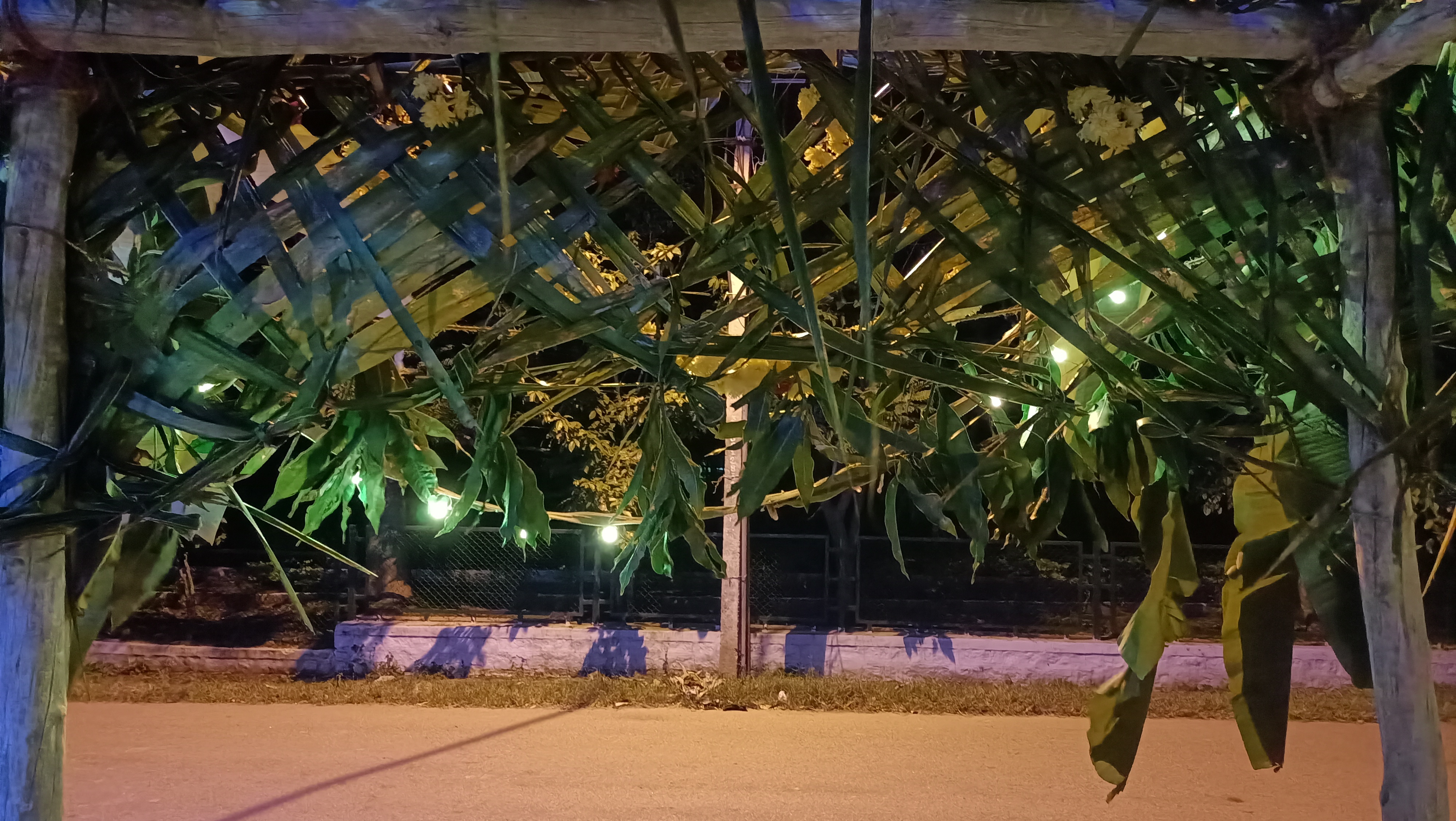
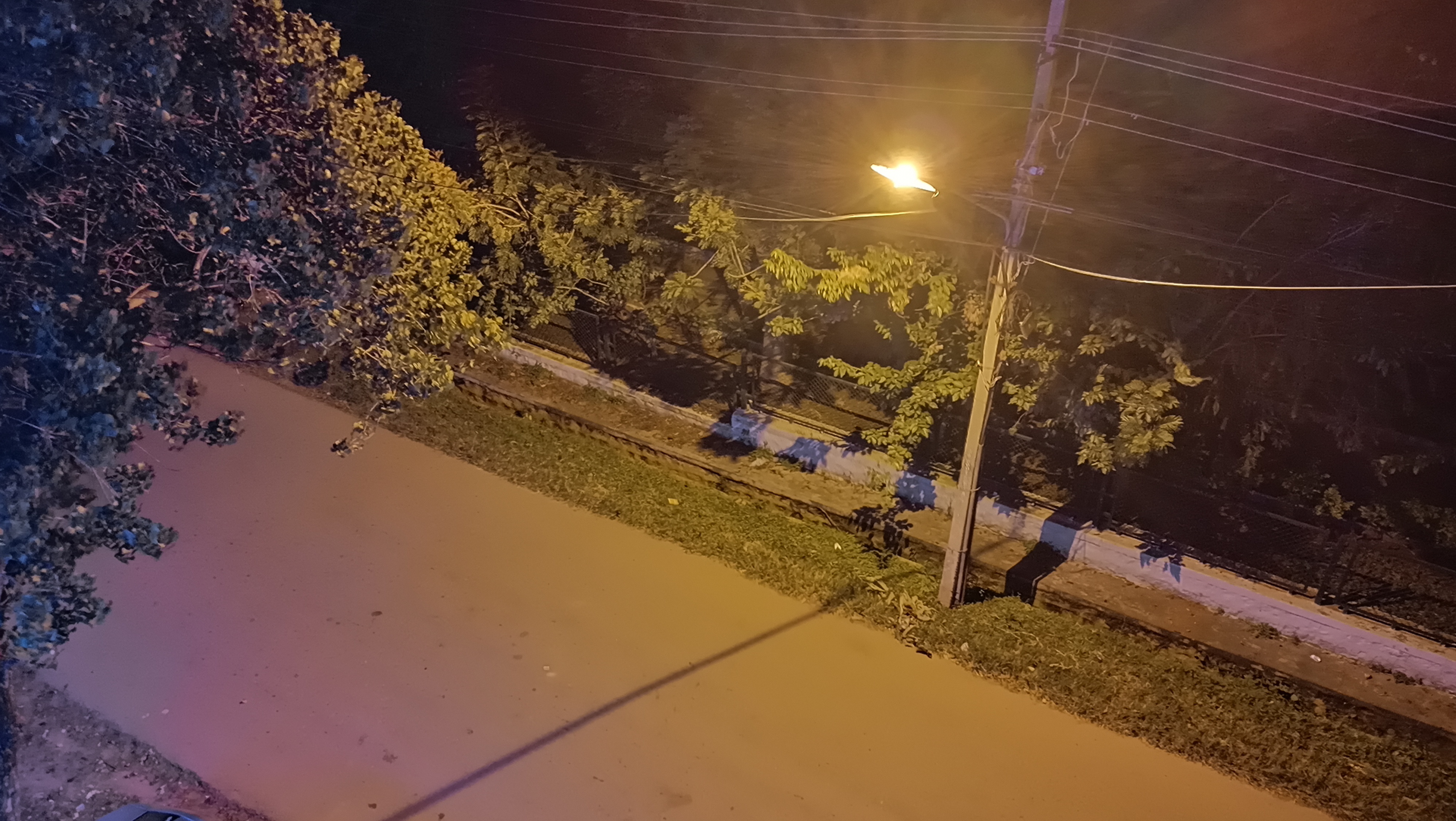
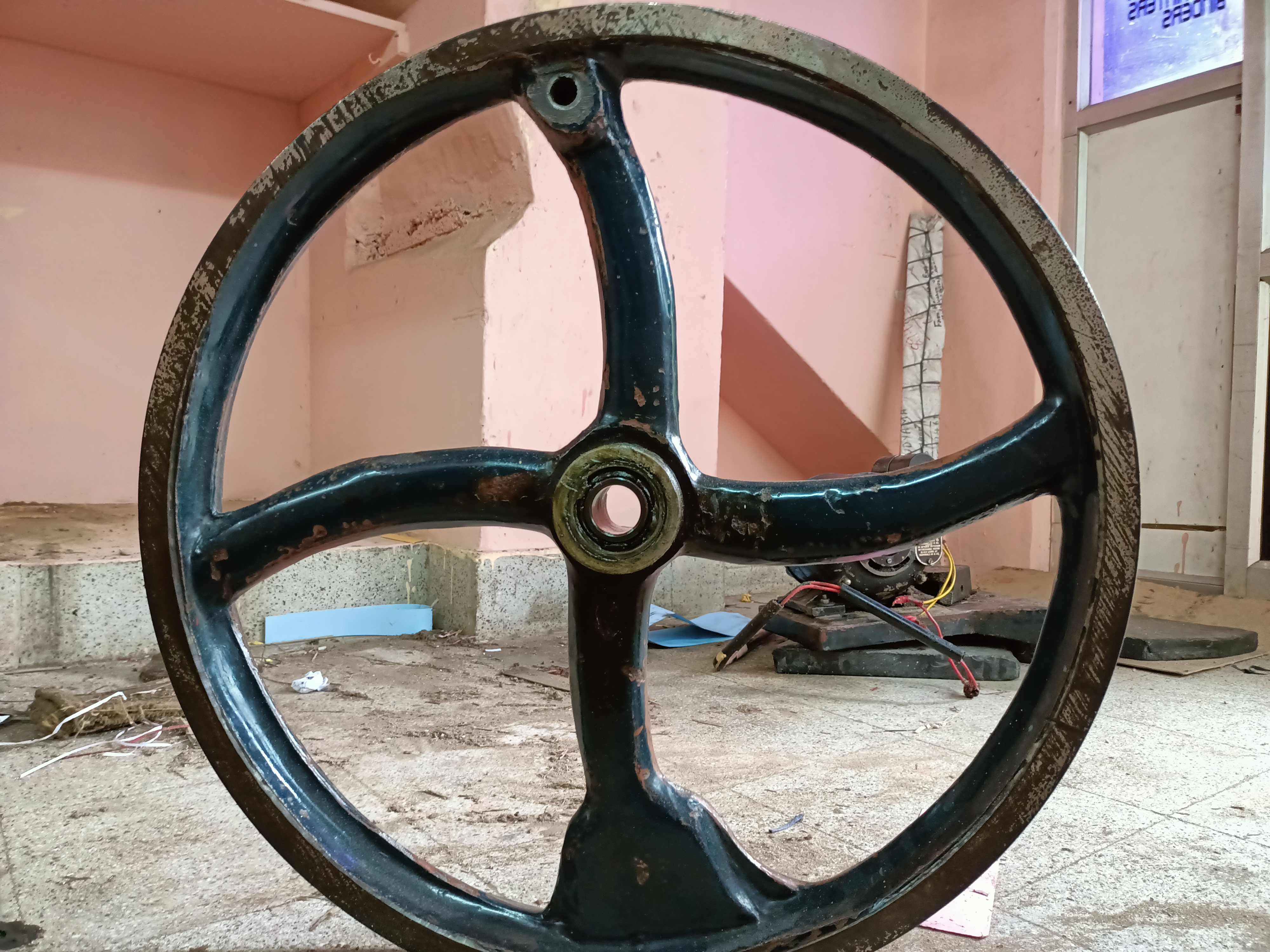


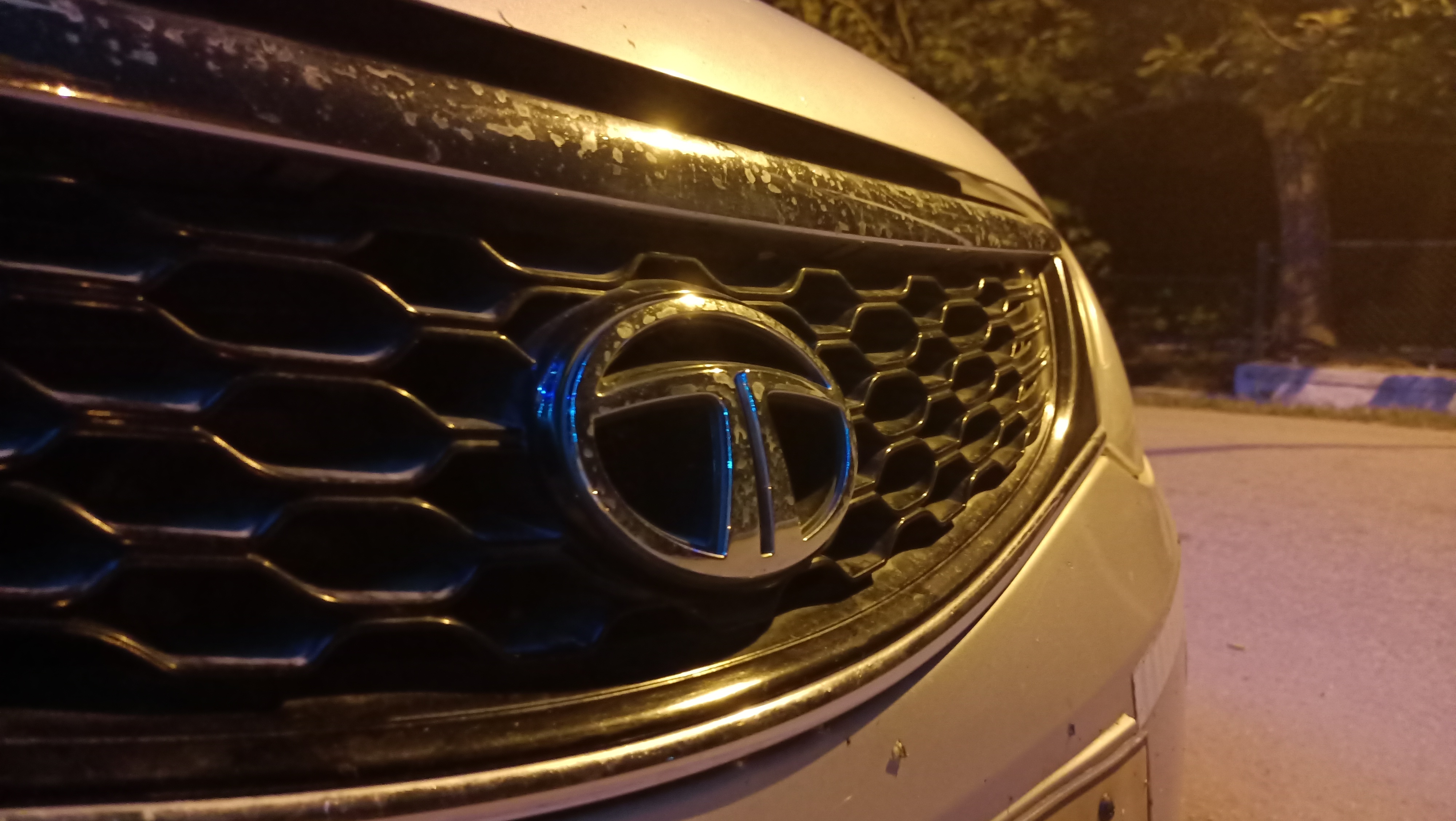



Apart from the primary and wide shooters, Oppo has given a couple of 2MP mono lenses which are handy while shooting the AI modes such as the AI Portrait Color, AI Night Flare Portrait, Dual Lens Bokeh, AI Super Clear Portrait, and more. The AI Portrait Color fades out the background and puts the subject (person) in focus and colours only the subject, which gives a good look.
For selfies, you get a 16MP primary shooter and a 2MP depth sensor. The results were not spectacular either here. We really wish, Oppo had bundled an ultra-wide lens instead of a depth sensor at the front. The edge detection was not up to the mark. However, the pictures which came out were pretty usable and again, you get a ton of modes including AI, HDR, Beautification. The night selfie came out good but it was too noisy and soft. For video calls, the camera is more pretty handy.
For video recording, you can go up to 4K @ 30fps and the quality of the video came out pretty good and usable. However, the lack of OIS is easily noticeable as the videos come out too shaky. To make it for the absence of OIS, the device comes with steady mode, which is a software-based stabilization. This surprisingly works well and improves the video drastically. However, it is not as perfect as the OIS. Apart from this, the camera also comes with stickers, Google Lens integration, Pro mode, text scanner, pano, and time-lapse modes.
Battery
- 4,000mAh
- 30W Vooc flash charge 4.0
- Intelligent power saving
With the slim and sexy design, the Oppo F17 Pro packs in a pretty average 4,000mAh battery. However, with chipset and software optimization, battery life is one of the best features of the device. With my medium to heavy usage, we regularly got around 7-hours screen-on-time. Our usage included social media, WhatsApp, gaming, and streaming content. On most days we could go without charging for a day and a half.
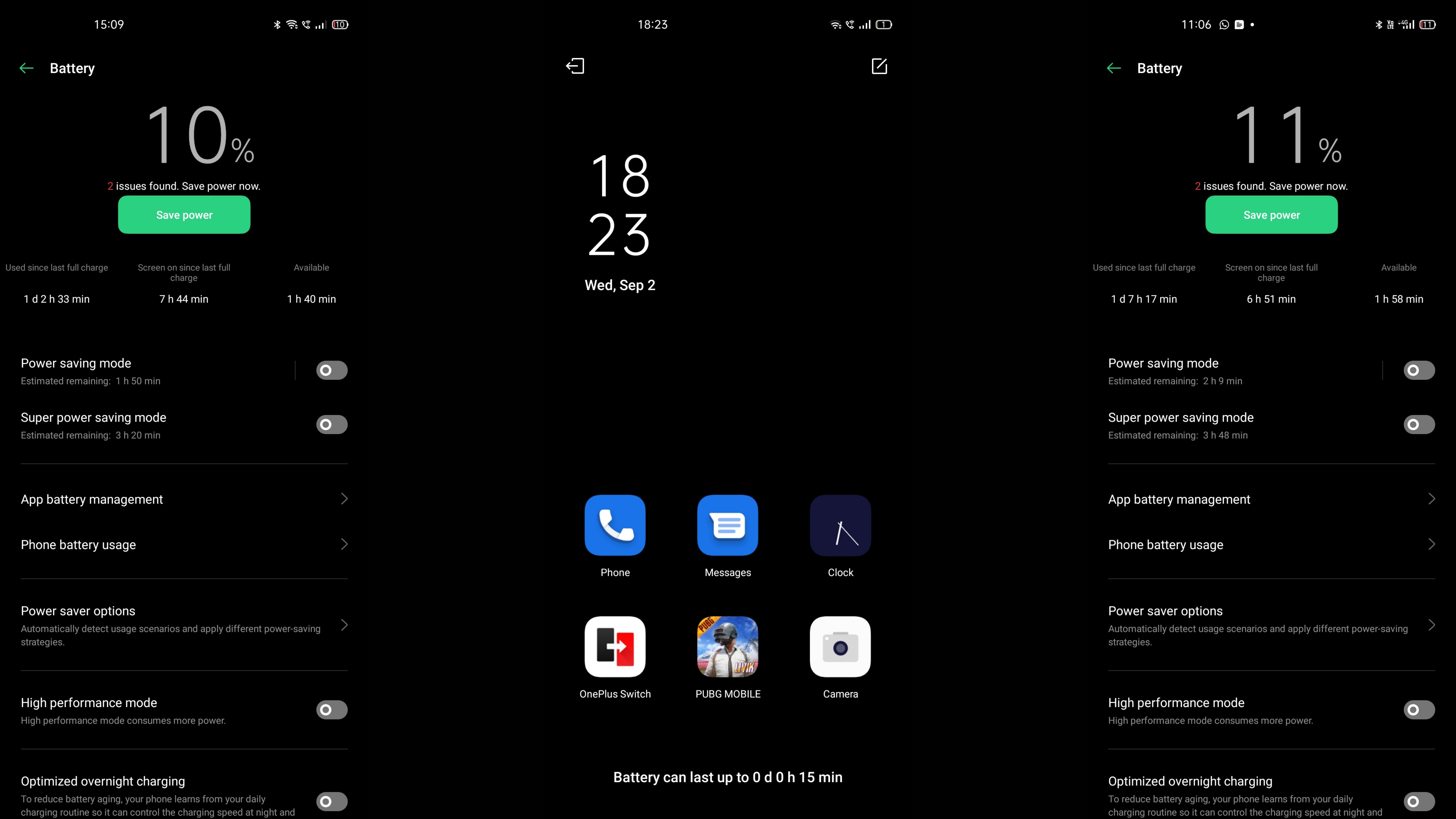
There is also a dedicated Intelligent power saving mode with which you can enable and get more life out of it. With 5% battery left, we got around 20 minutes of gaming and Oppo claims you can get around 70minutes. (no one to test).
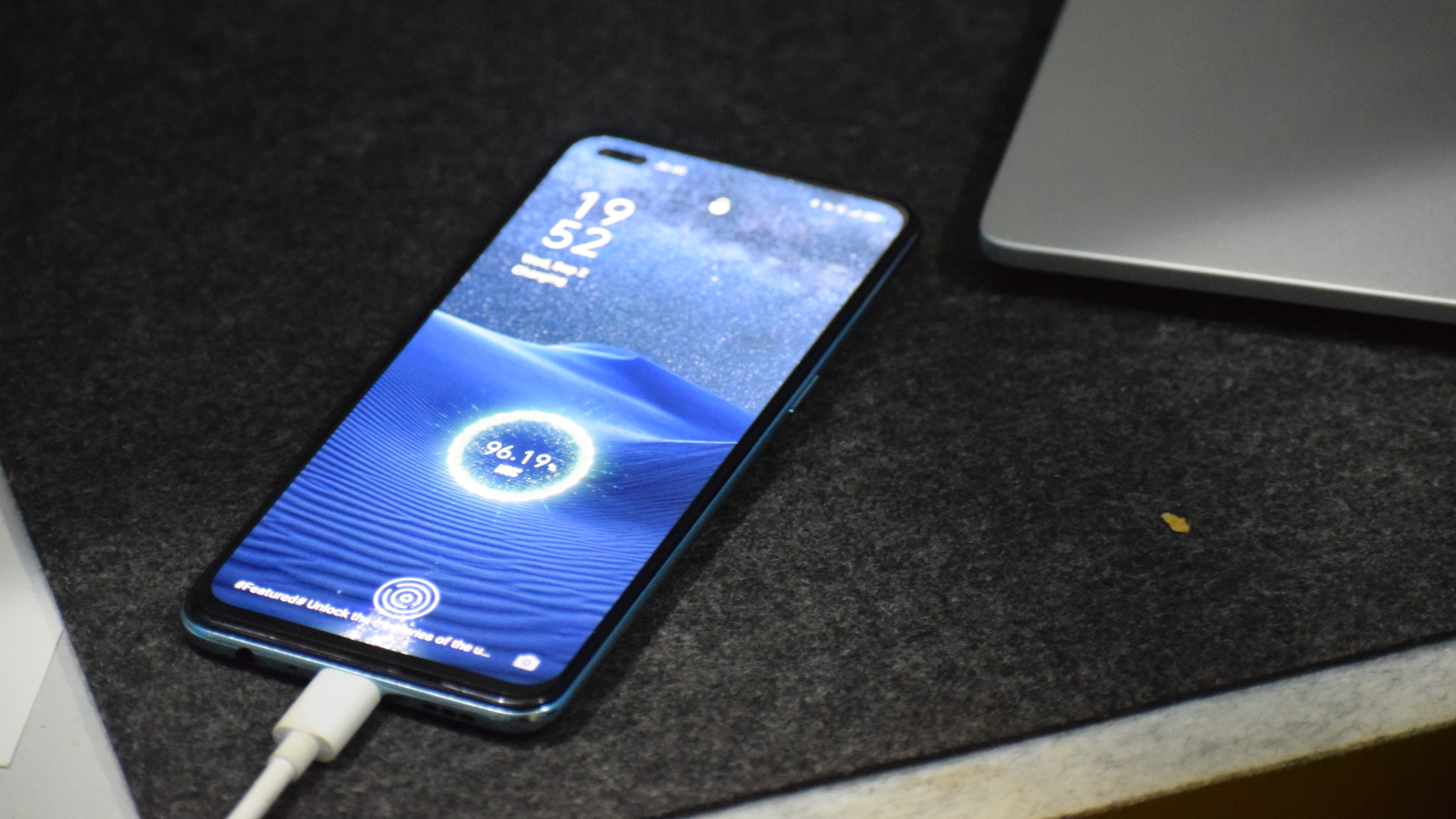
The F17 Pro is bundled with a 30W VOOC Flash Charge 4.0 which Oppo claims is capable of taking the phone from 0 to 100 in just 53 minutes. In our testing, the device took about 57 minutes to charge. The first 30 minutes charge can juice up the device 65%. For those who still prefer overnight charging for some reason, Oppo has included AI Night charging which optimizes charging at night and reaches 100% battery just before you wake up. The AI uses your sleep pattern and redistributes the last 20% of the charge.
Software
- ColorOS7.2 based on Android 10
- Android 11 in November
With Color OS 7, Oppo redefined the user experience. Now, with two iterations and fine-tuning, we now have the Color OS 7.2 which is cleaner and simpler. This is by far the biggest leap by Oppo with regards to UI. The most commonly used menu options are now easy to find and have cleaner UI representation. There are very few apps that come pre-installed and most of them are even uninstallable easily.
For those, who like customization, with Color 7.2, you get a ton of options for each setting. For someone who is coming from cleaner/stock Android, the UI will feel overwhelming. Firstly, with the home screen, you can now access Google Discover. The home screen settings give you the option to change icon size, animations, widgets, wallpapers, pull down, speed, theme, and also icon style. To take advantage of the AMOLED screen, you get system-wide dark mode which also turns all the supported apps to dark mode with just a single tap, which looks great.
The toggles in the notification bar are also extremely customizable. You can add over 35 toggles including dark mode, screen recording, eye comfort, DND, calculator, Google Assistant, and more. The overall system animation is also pretty fluid and responsive. Apps do open quickly and touch response is also pretty accurate. For navigation, you get three options - side swipe gesture, virtual buttons, and swipe-up gestures. For even more convenience, the Oppo has baked in an Assistive button which overlays on the screen all the time. This can function as a single home button or you can have it as a menu option. Furthermore, you also get a Quick return bubble for games, Smart slider that brings five apps/options with a quick slide.
In our experience, we did not receive any spam notifications from any apps except for the time when the built-in browser pushed some random bank-related message a couple of times. Color OS 7.2 has also included several privacy features such as app lock which works with face unlock too. There is Kid space, private safe, secure keyboard, and other security features like preventing screen capture, recording and voice recording. Also, a safe environment is created when you open banking apps like Google Pay. The top of the screen will turn blue and let you know that you are in a secured environment.
For a person who came from Oxygen OS, the Color OS did not disappoint me. I was pretty happy with the design, animations, and overall system usability. Oppo has really trimmed and chopped down the unwanted apps and options from the OS. Lastly, Oppo has also said that the Android 11 will be rolled out to the device in November.
Call quality and Audio
We were using the phone with Jio network all the time and had no issues with network reception. For calling we tested with VoWiFi as well as regular calling. We faced a bit of an issue with VowiFi calling a couple of times but that's nothing to do with the device as is a problem in itself. The regular call went on fine and we had no issues communicating with people on the other end. The voices on each end were very clear too.
The Oppo F17 Pro opts for a single bottom-firing speaker which is just average at best. The output is loud and clear. But muffled up at the max volume. While using in landscape mode, your will completely block the sound and it blocks more than 90%. The phone also bundles a 3.5mm headphone jack and also a pair of wired earphones in the box itself, which is pretty decent. The audio streaming via Bluetooth 5.0 was also pretty good. You can also use the Type-C port for audio listening with OTG turned on.
Verdict
Buy it if...
You want a good-looking, lightweight phone
The sleek designed F17 Pro weighs just 164 grams and is thick at 7.48mm. The Oppo F17 Pro is easily one of the lightest phones currently available in the market. The colour options, especially Magic Blue, make you stand out from the crowd.
You prefer a super AMOLED panel
The device comes with an excellent super AMOLED panel with great outdoor visibility and viewing angle. This is one of the best panels in the segment. Watching content on the device is pure joy.
You want good battery life and fast charging
With more than 6 hours of screen on time with heavy usage and even more with moderate usage, the Oppo F17 comes out as a winner in this segment. To top it all, you get a 30W Vooc charger which can charge the device in just 53 minutes.
Don’t buy if...
You want a high refresh rate panel
With more companies opting for a higher refresh rate panel even in the sub Rs 15,000 segment, Oppo misses out on the 90Hz/120Hz panel and you might feel you've missed the high refresh rate train.
You game a lot
Although MediaTek P95 performs well with regards to day to day tasks, when it comes to gaming, it struggles a bit and is not recommendable for heavy games.
You can buy a phone online
If you're looking to get a new phone and don't mind waiting for stocks, the Redmi K20 Pro, the Poco X2 or even the OnePlus Nord are great alternatives.
from TechRadar - All the latest technology news https://ift.tt/3lVU6it


No comments:
Post a Comment